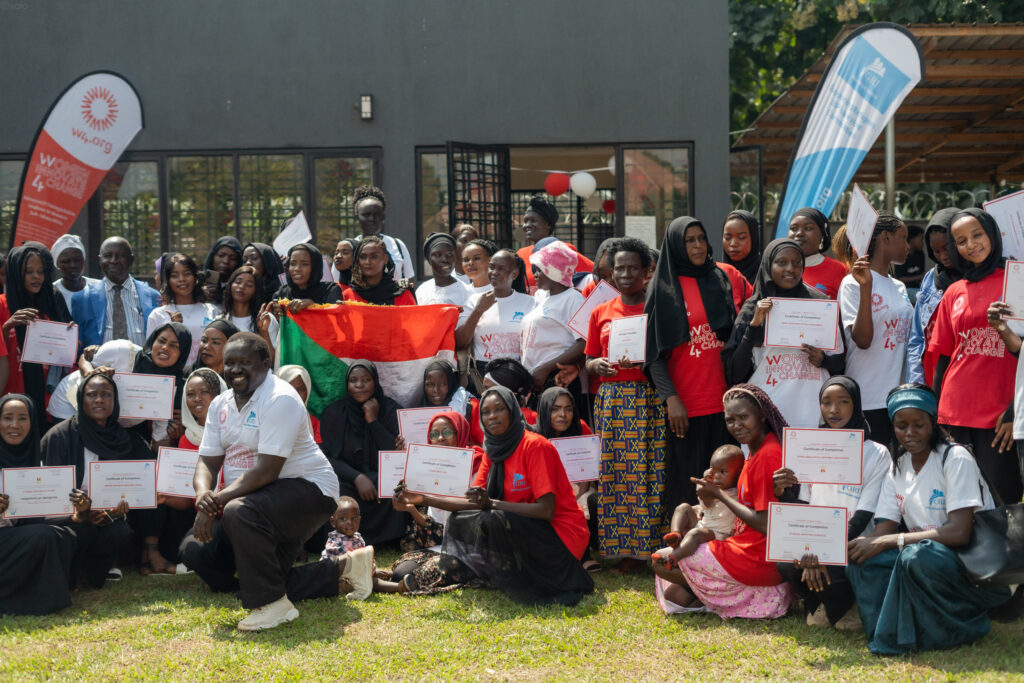
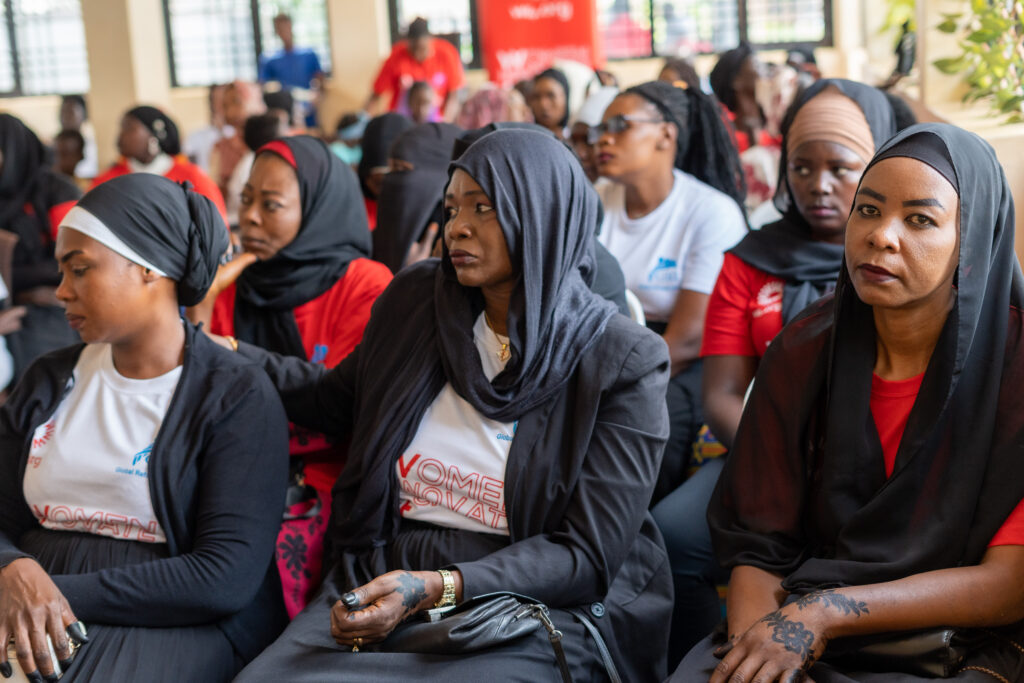
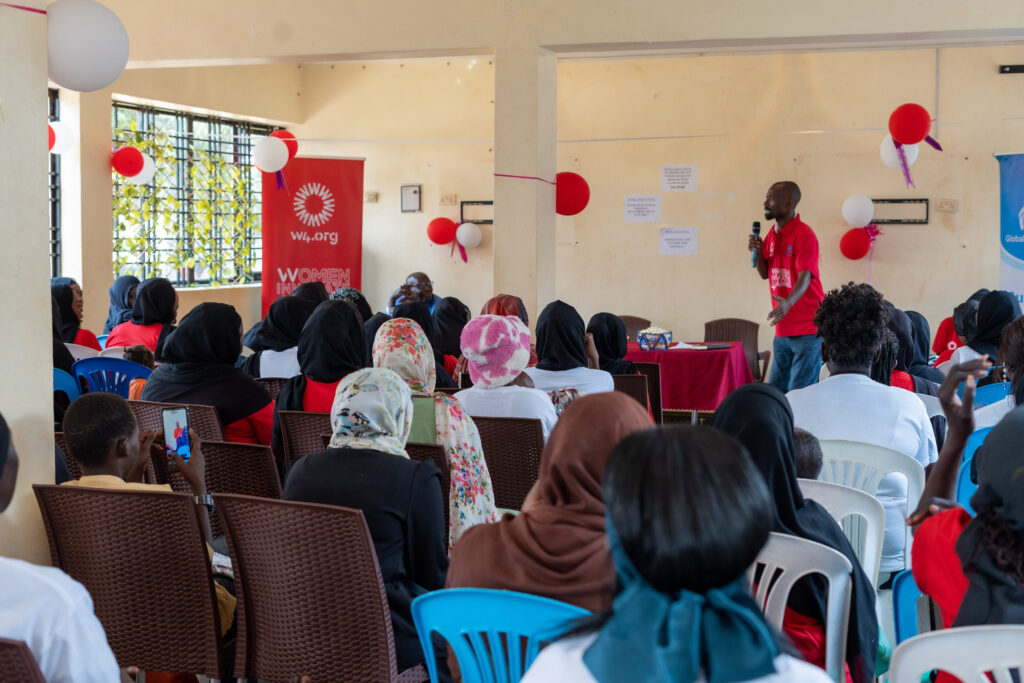
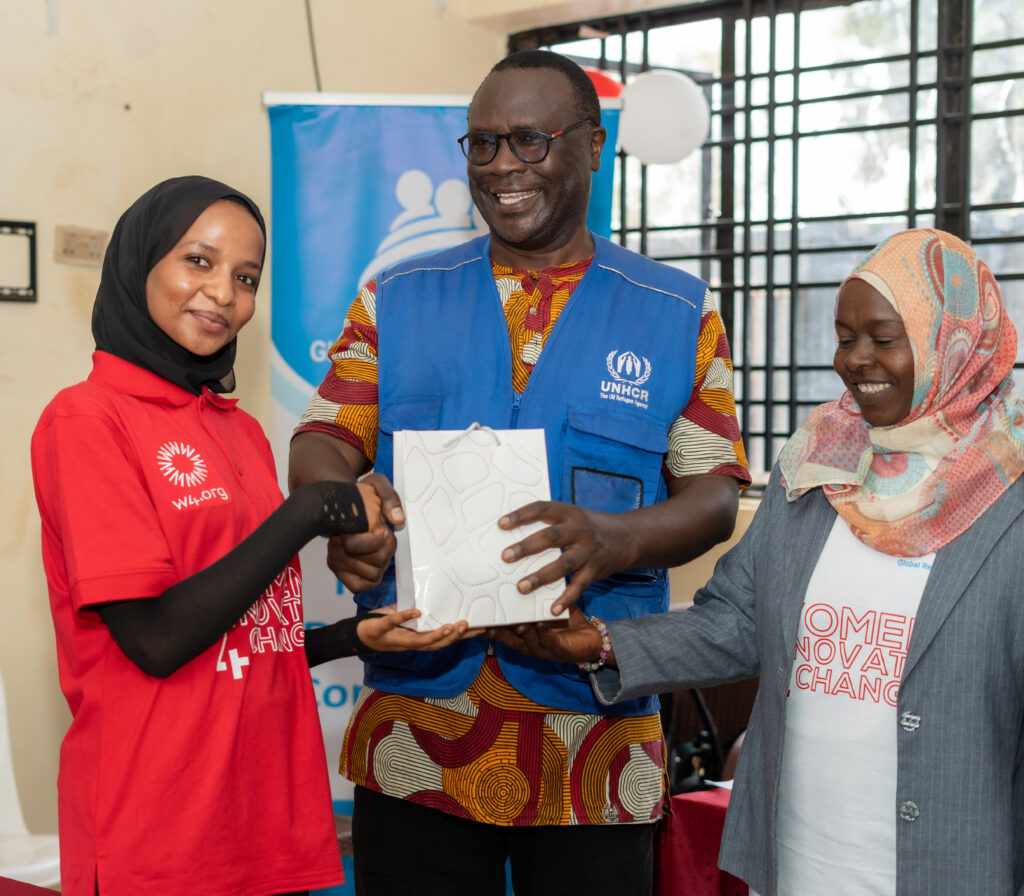
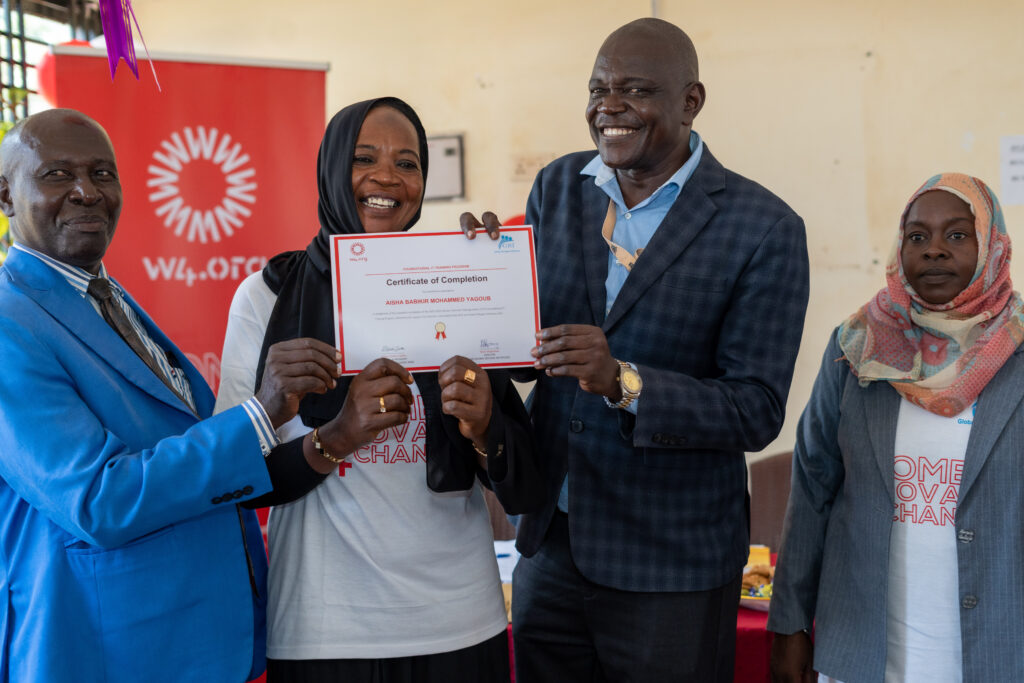
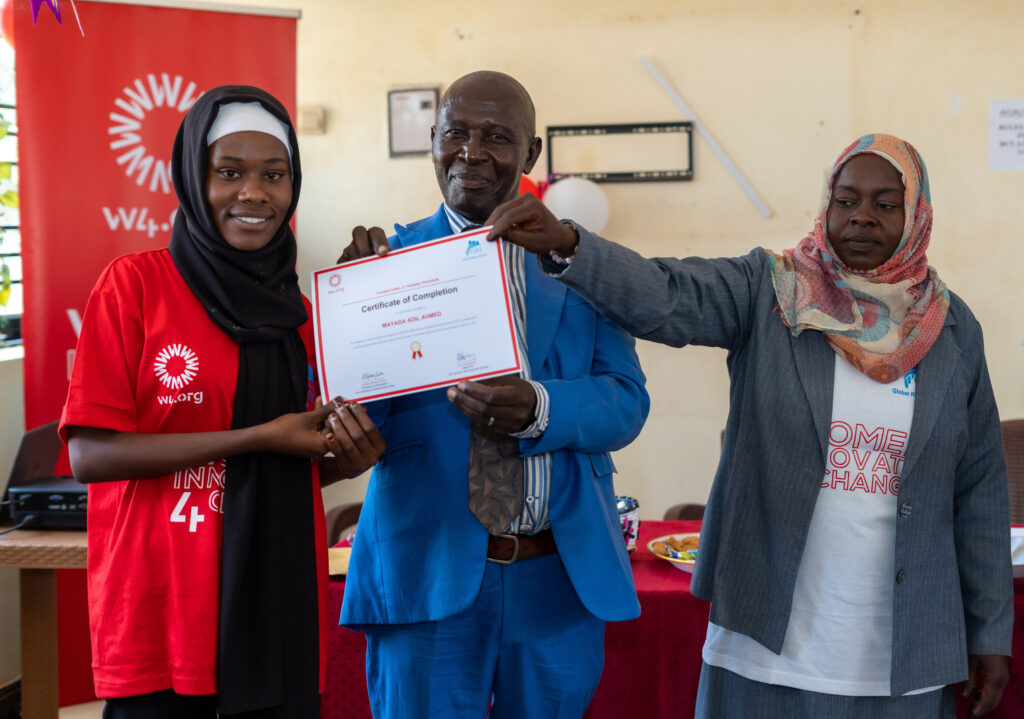
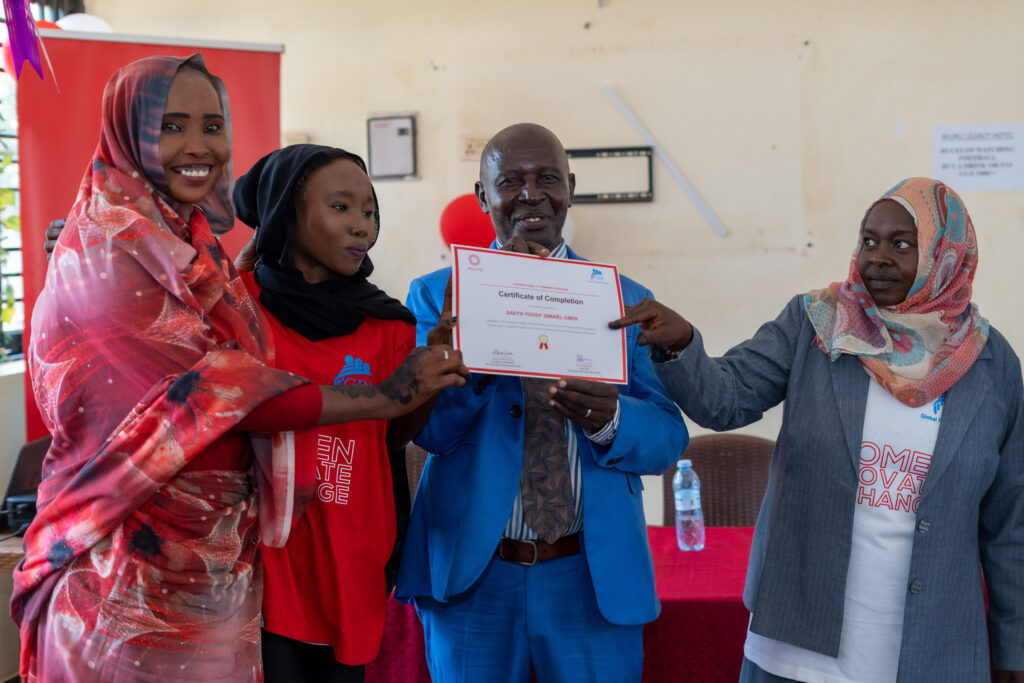
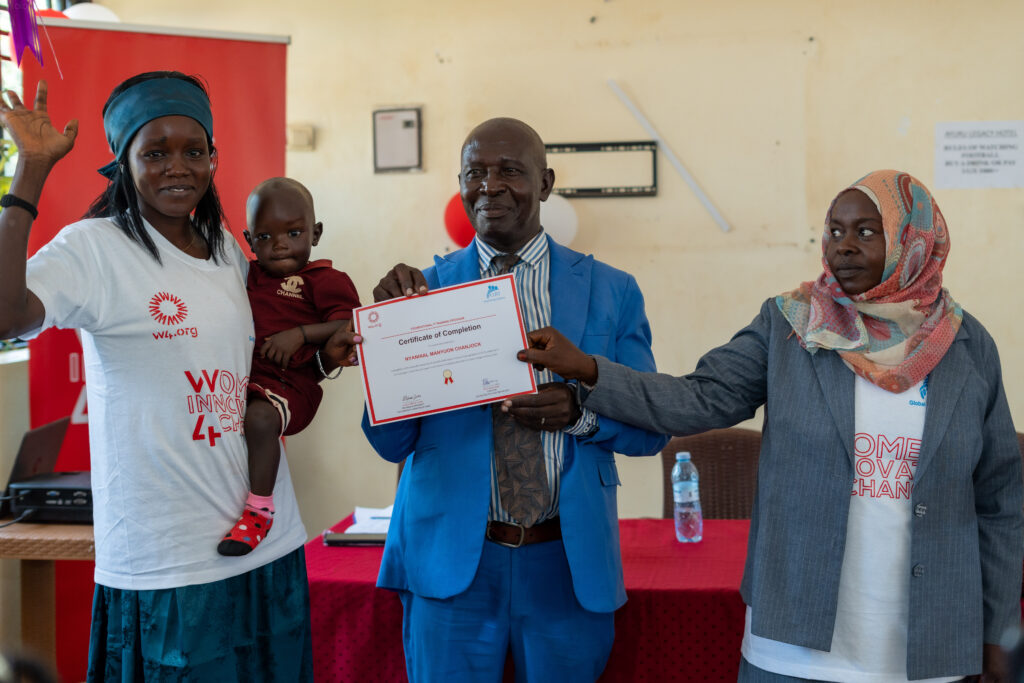
This is a wonderful milestone worth celebrating and highlighting the impact of digital skills on refugee women’s empowerment.
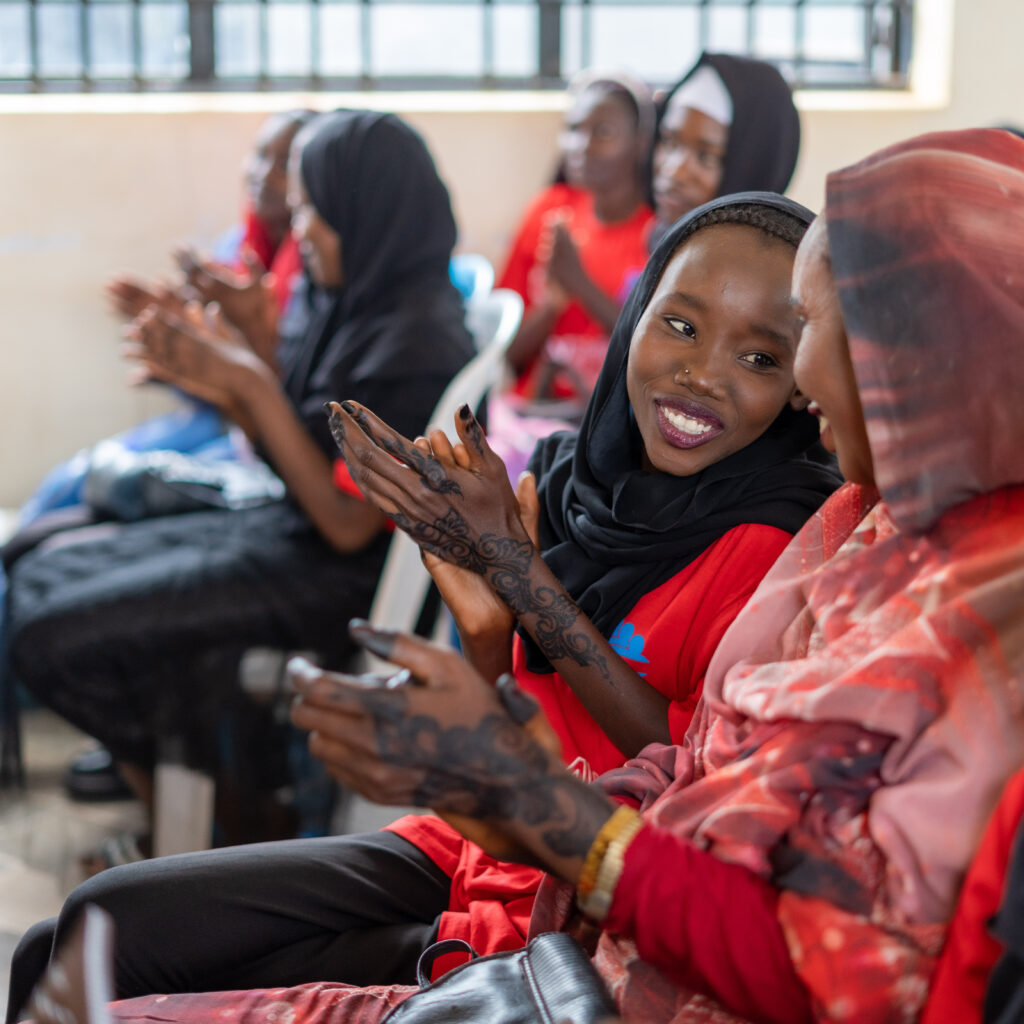
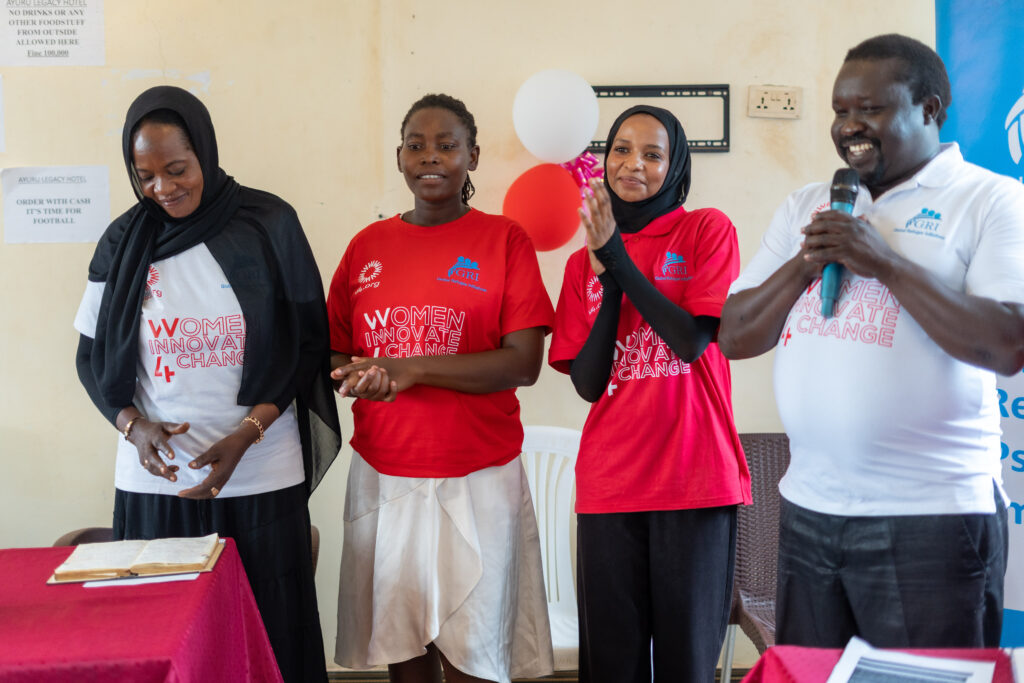
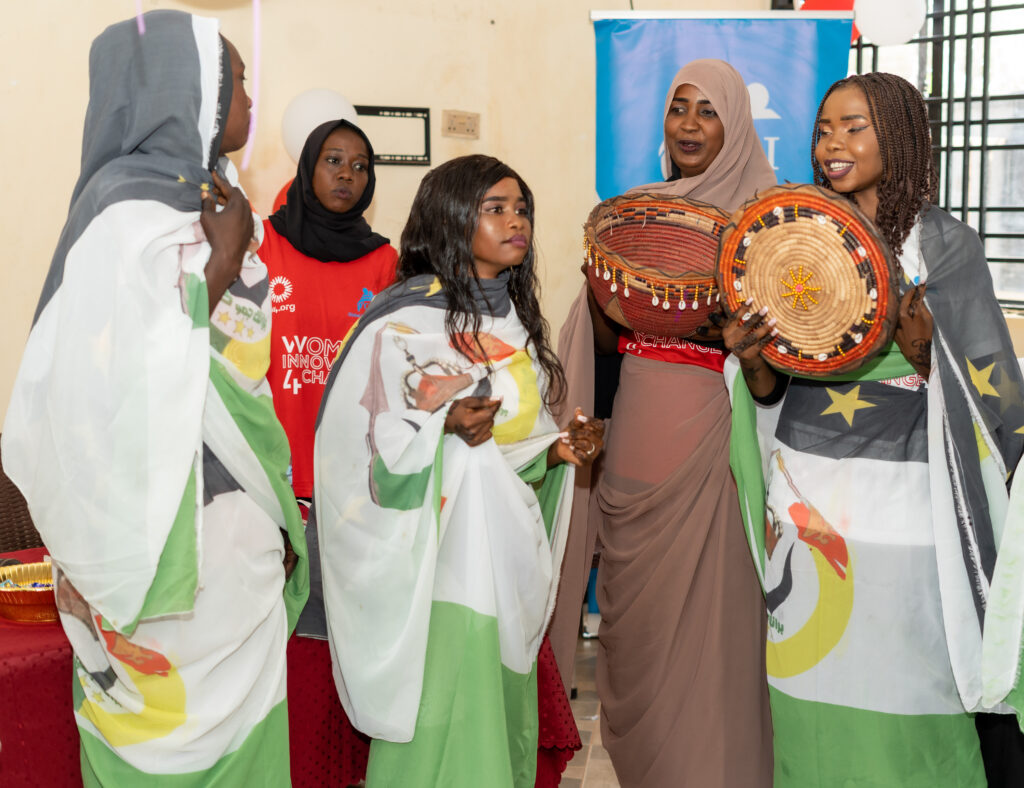
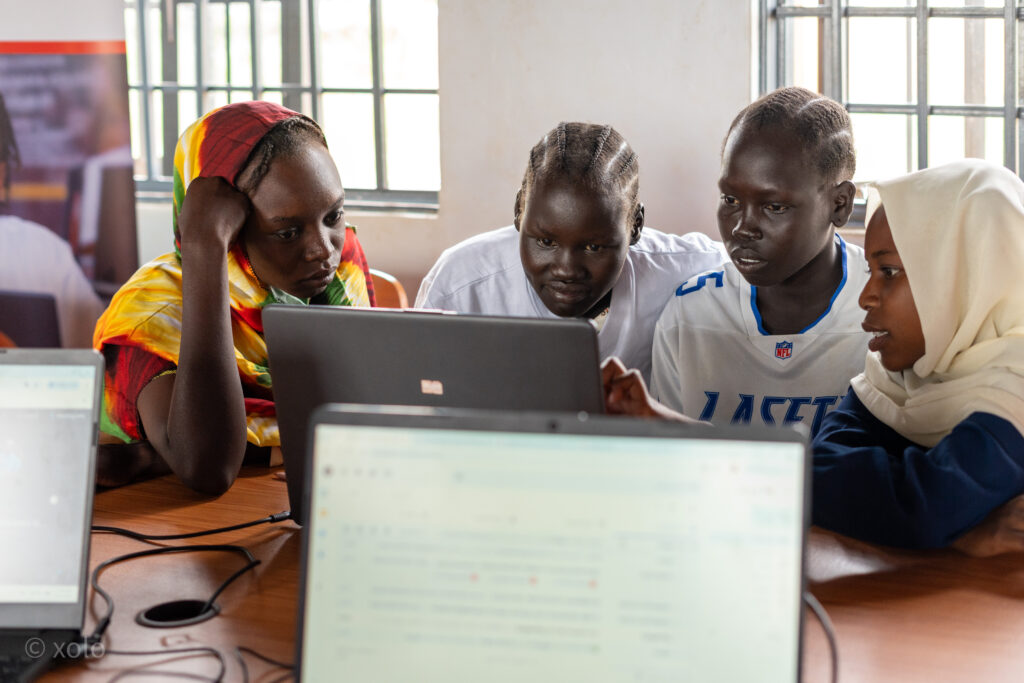
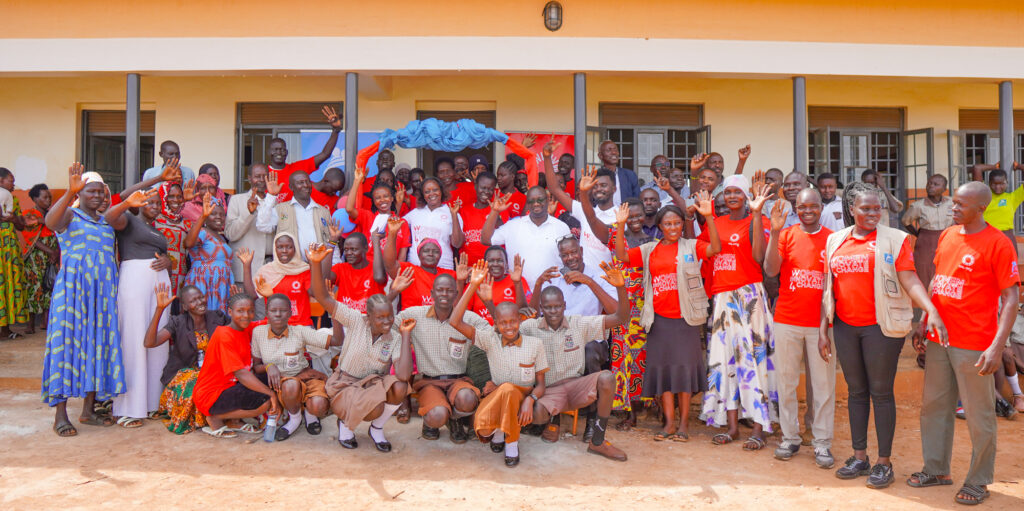
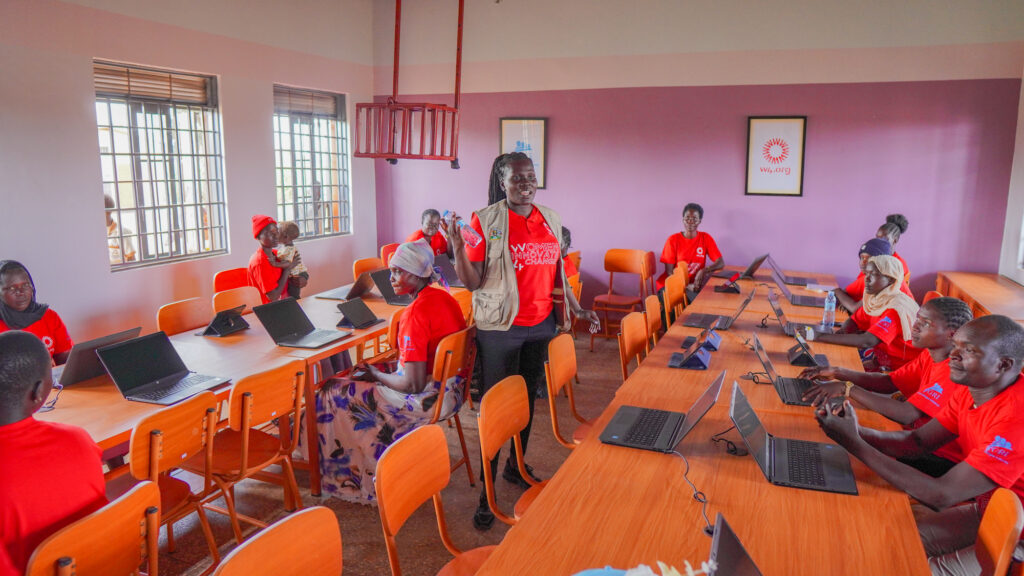
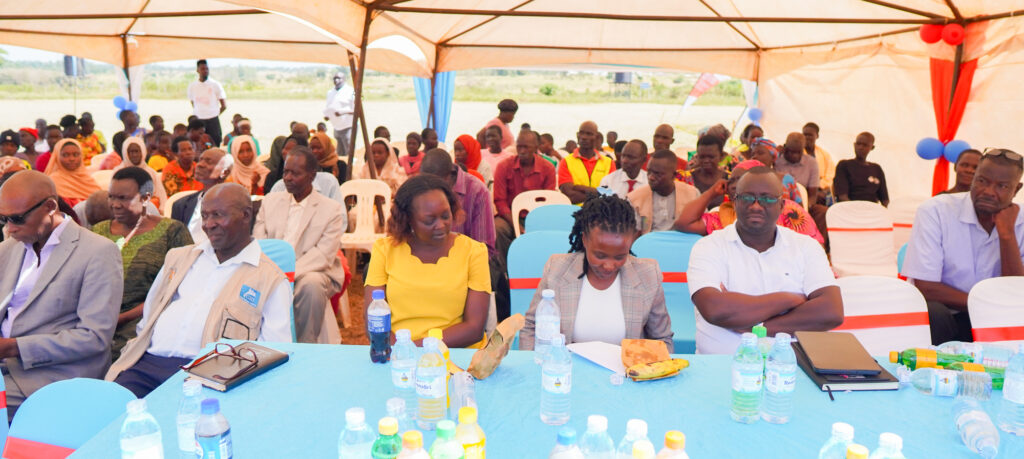
We proudly celebrate the graduation of 95 refugee women who have successfully completed a 6-month ICT Skills Training Program at Ubuntu Tech Training Centre in Kiryandongo Refugee Settlement.
What started as a learning journey six months ago has culminated in a proud graduation ceremony. Through dedication, resilience, and hard work, these women have gained valuable digital skills that will open doors to employment, entrepreneurship, innovation, and greater opportunities for their futures.
This achievement is more than a graduation. It is a testament to the power of education, empowerment, and inclusion in transforming lives and communities.
These women have overcome challenges, embraced technology, and acquired skills that will help them build brighter futures for themselves, their families, and their communities.
We celebrate their courage, determination, and commitment to growth. Their success reminds us that when women are empowered with knowledge and skills, entire communities benefit.
We also extend our sincere appreciation to our donor and partner, Women’s WorldWide Web (W4), for their dedicated support towards this ICT skilling program for refugee women and girls. This support reflects a strong commitment to empowering refugee communities through education, skills development, and digital inclusion.
Congratulations to our 95 graduates! We are proud of your achievement and look forward to witnessing your continued success.
At the Ubuntu Tech Training Centre (UTTC) in Kiryandongo Refugee Settlement, access to technology is opening new possibilities for refugee girls and young women. What began as a digital skills training initiative is also becoming a space where learners gain confidence, connect with global opportunities, and begin to imagine futures beyond the limitations of displacement.
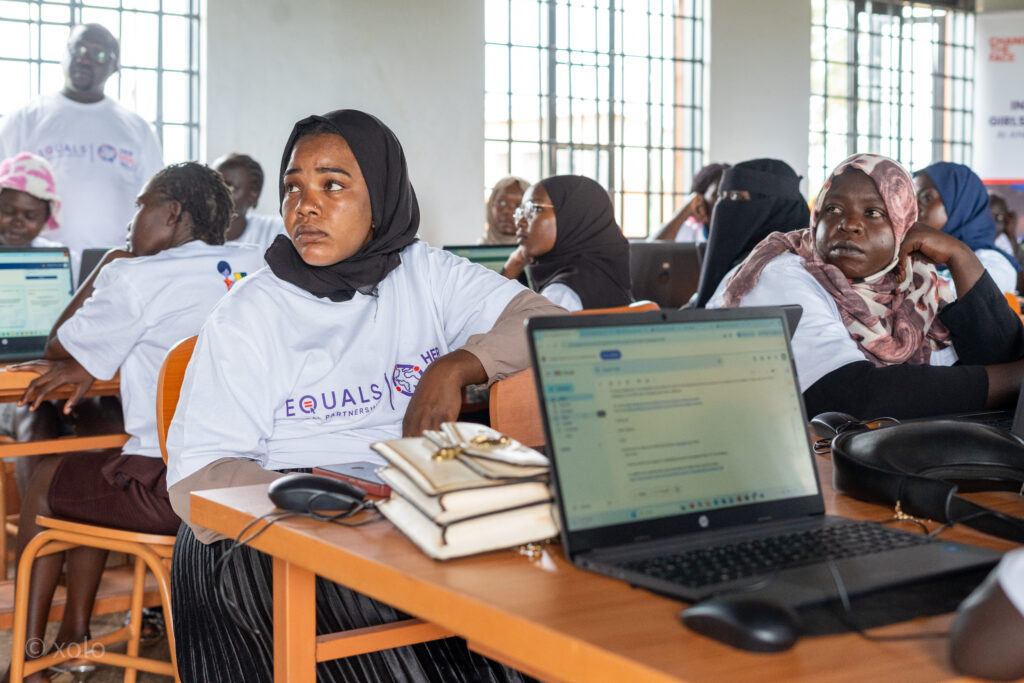
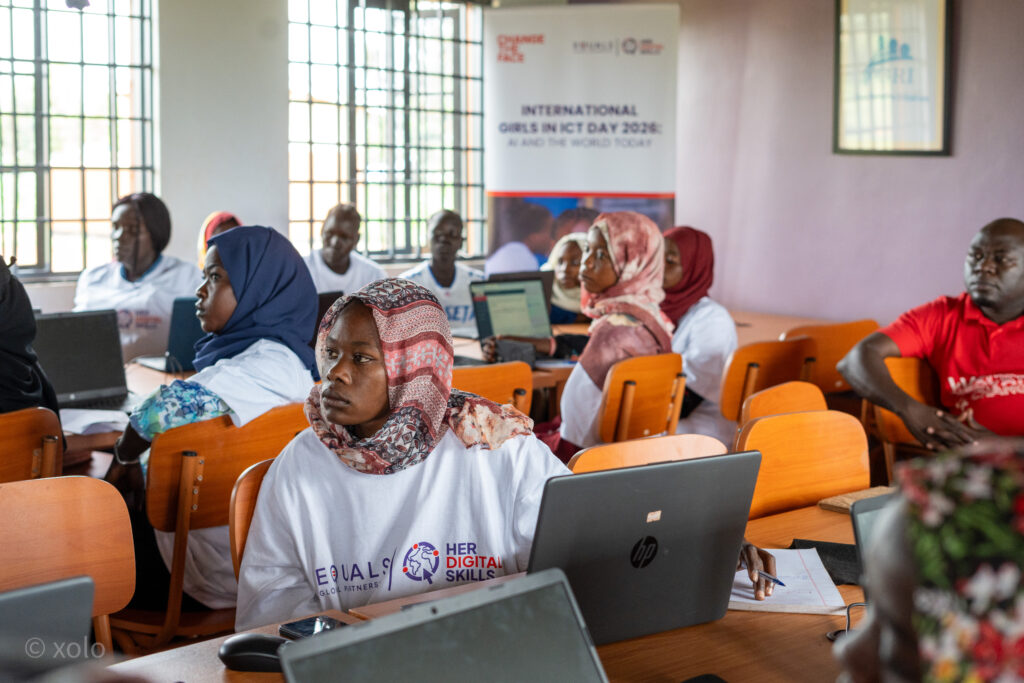
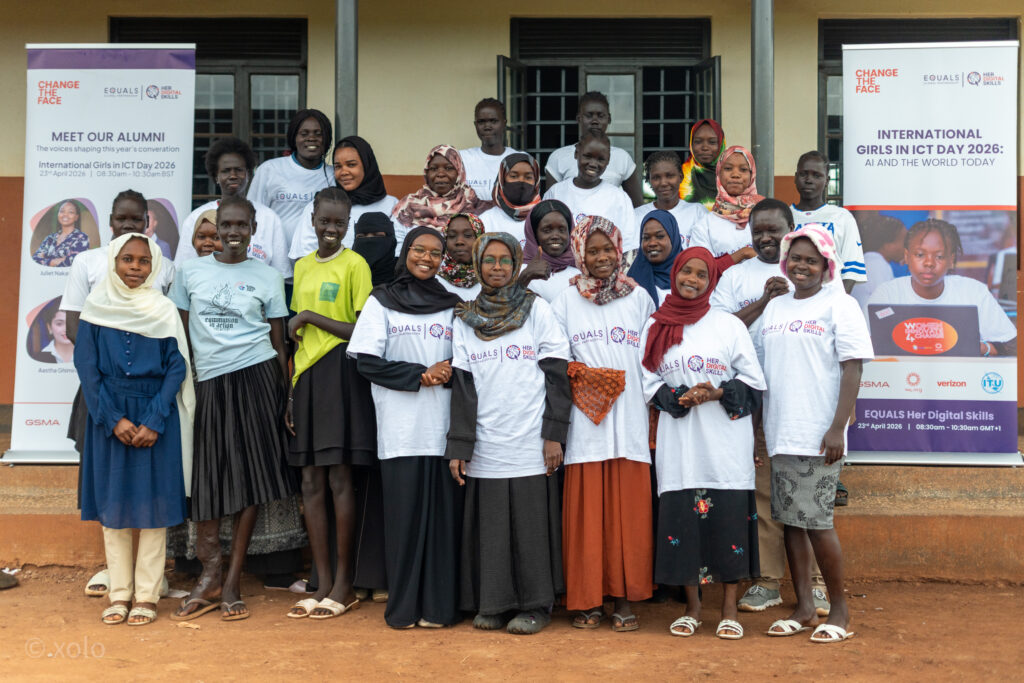
This spirit was especially visible during the International Girls in ICT Day 2026 celebration, when 30 young women and UTTC staff participated in a global webinar organized by Women Worldwide Web (W4) under the EQUALS Her Digital Skills partnership.
Through the live session, participants engaged with facilitators, ICT sector professionals, and fellow learners from different countries while exploring the theme “AI in the World Today.” For many of the young women, it was their first experience participating in an international virtual learning space.
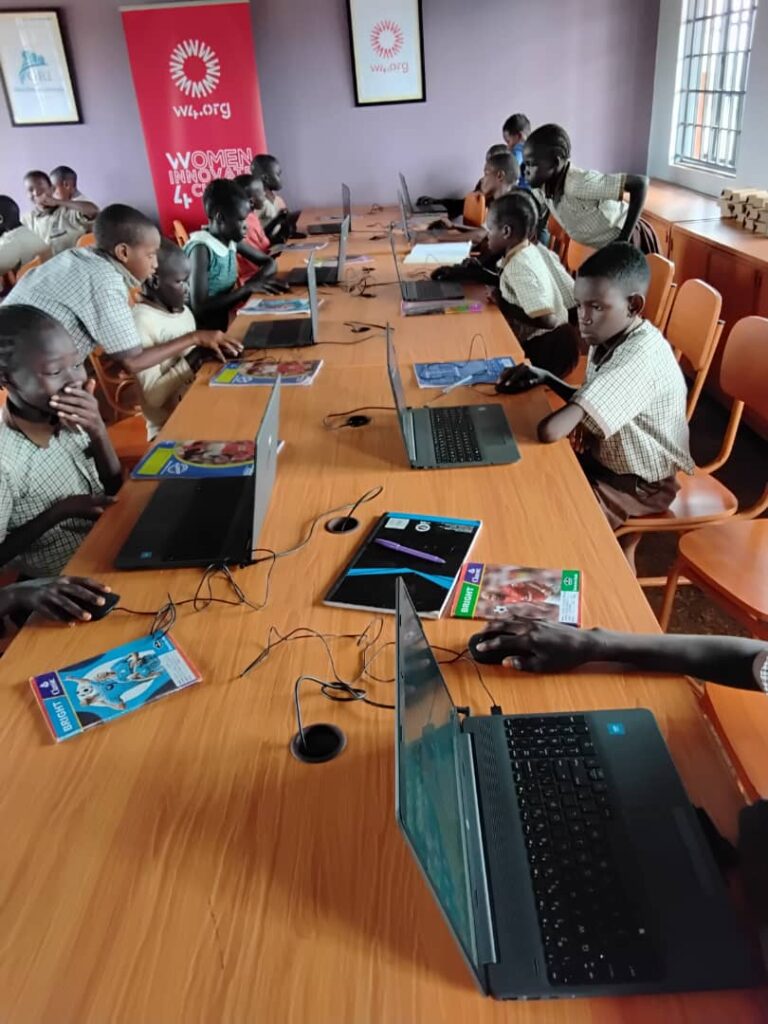
Inside the ICT lab, the atmosphere was filled with curiosity as participants listened attentively, took notes, and exchanged reactions during the session. Some smiled with excitement as speakers shared examples of how Artificial Intelligence is shaping the world today. Although many of the learners are only beginning their digital journey, the webinar created a powerful moment of connection between local experiences and global conversations on technology.
The webinar introduced participants to emerging discussions around technology and Artificial Intelligence, while also helping them see themselves as part of a wider global community of girls and women in ICT. In a context where access to technology remains limited, opportunities like this help broaden horizons and encourage learners to imagine new possibilities for their future.
For many participants, the experience went beyond learning about digital trends. It strengthened confidence, motivation, and a sense of belonging in spaces that are often inaccessible to refugee girls and young women. From inside a refugee settlement in northern Uganda, participants were able to engage in the same conversations taking place across classrooms, organisations, and technology spaces around the world.
The Ubuntu Tech Training Centre, established through a partnership between Global Refugee Initiatives (GRI) and Women Worldwide Web (W4), continues to provide inclusive digital learning opportunities for refugee women, girls, school children, and underserved communities in Kiryandongo Refugee Settlement.
As digital transformation continues globally, ensuring that refugee girls and young women are included in these spaces is essential. Experiences such as International Girls in ICT Day show the importance of connecting local learning environments to global platforms, helping learners build not only digital skills, but also aspiration, confidence, and a sense of belonging in the digital world.
Peace: Elena, welcome back. You worked with us for a full year in 2023 and have since been a member of the advisory board. Have things changed since your last visit?
Elena: Thank you, Peace, it’s really good to be back. Yes, things have definitely changed. You can feel it as soon as you arrive. The population in the settlement has increased, largely due to the recent influx of refugees from Sudan. With that, there has also been a visible growth in small businesses, such as bakeries selling Arabic bread, which bring a sense of cultural diversity and resilience.
At the same time, there are serious challenges. I’ve heard from staff and community members that funding has dropped significantly, particularly following recent U.S. funding cuts. This has had immediate consequences: fewer services, reduced staff, and increased pressure on systems like healthcare and education. Teachers are overworked, and access to essential services has become more limited.
Despite all this, I’m genuinely impressed by how GRI has remained resilient. Not only are the established programs still running, but new initiatives have also been implemented. Some of the ideas we discussed back in 2023 have now become reality, and that is incredibly rewarding to witness.
Peace: Can you tell us more about your experience on the ground?
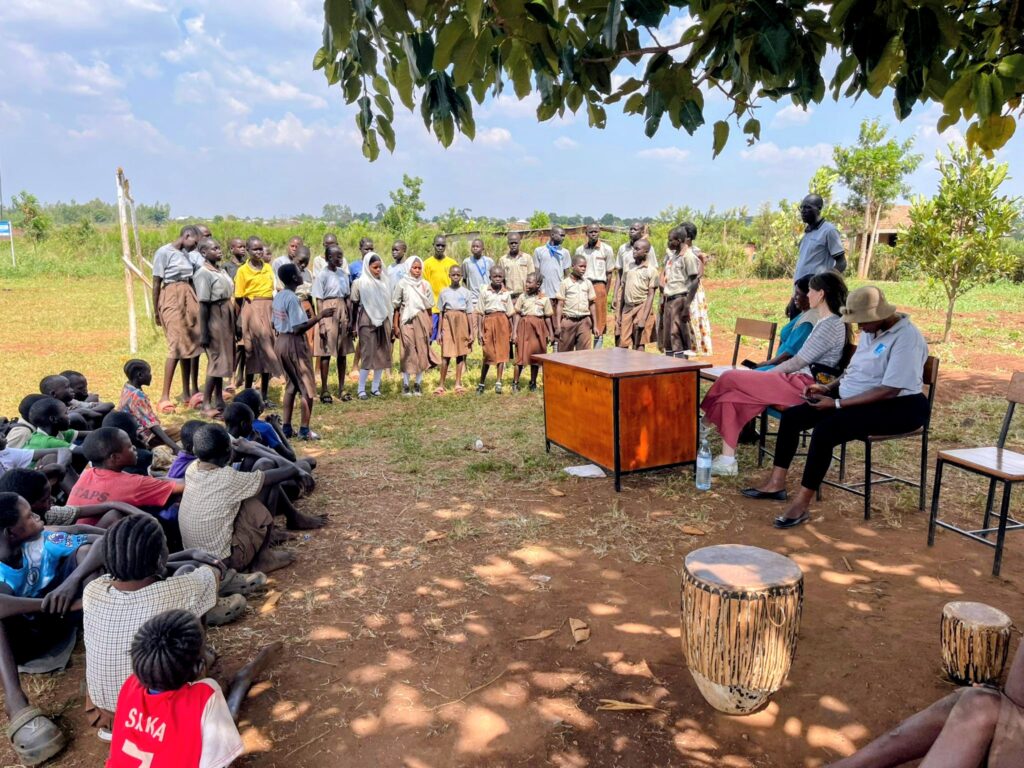
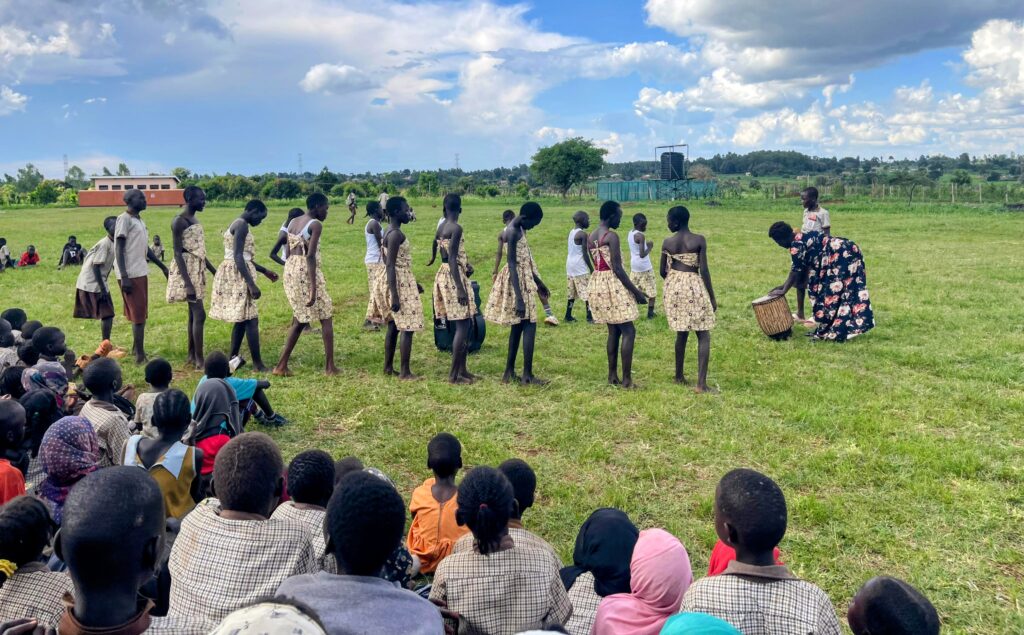
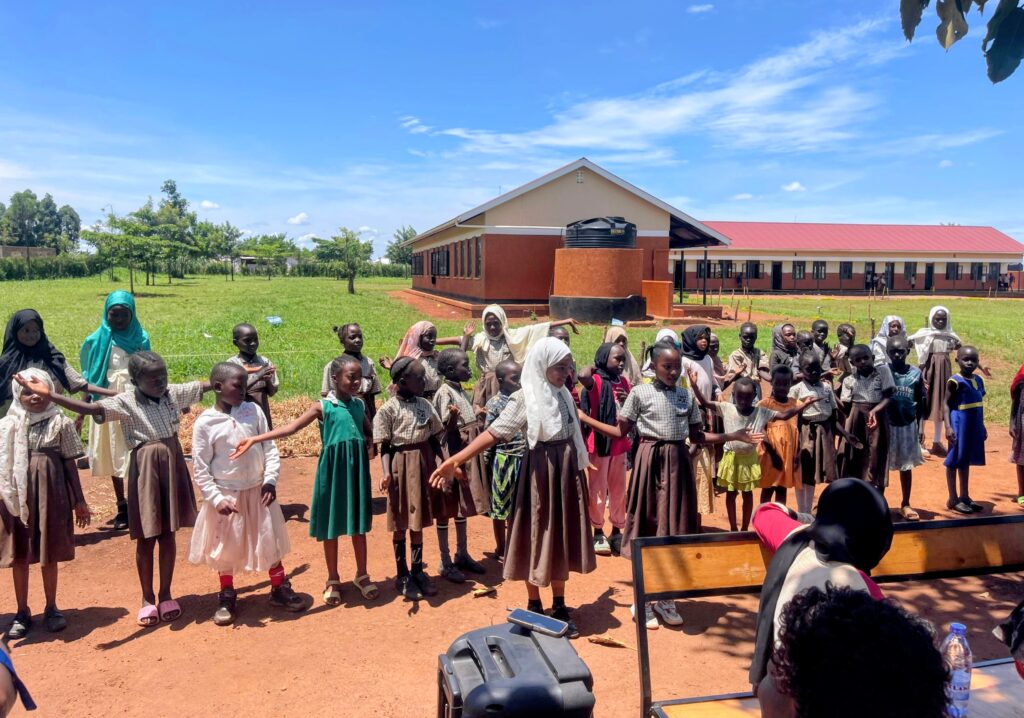
Elena: One of the highlights was the warm welcome I received at Ubuntu Model Primary School. The children prepared traditional dances and songs; it was such a joyful and moving moment.
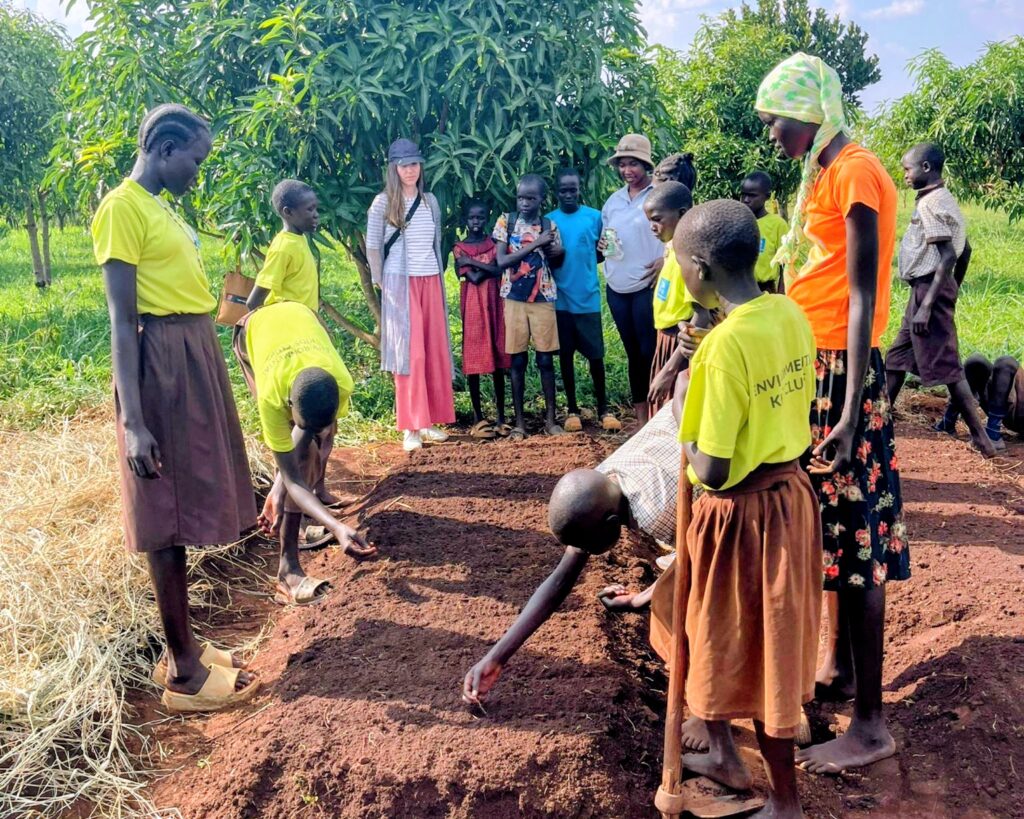
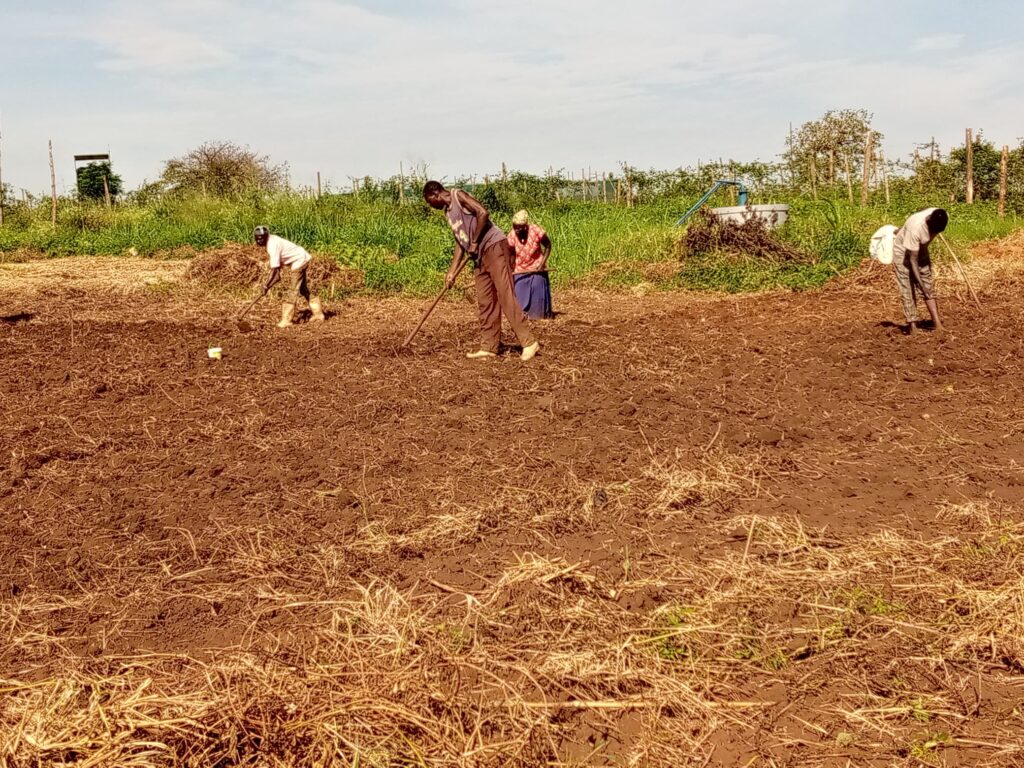
After that, I joined the Environmental Kids Club (EKC). On that day, students were preparing soil and planting vegetables in nursery beds. It was inspiring to see how hands-on the activities are. Through EKC, children not only learn about environmental protection but also gain practical agricultural skills.
Back in 2023, we worked on introducing extracurricular clubs such as Music, Dance and Drama, as well as EKC. Seeing how active and engaged the students are today clearly shows that these initiatives have taken root and are thriving, with 70 students participating in the clubs.
Peace: Besides the educational activities, you also visited livelihood programs. What caught your attention there?
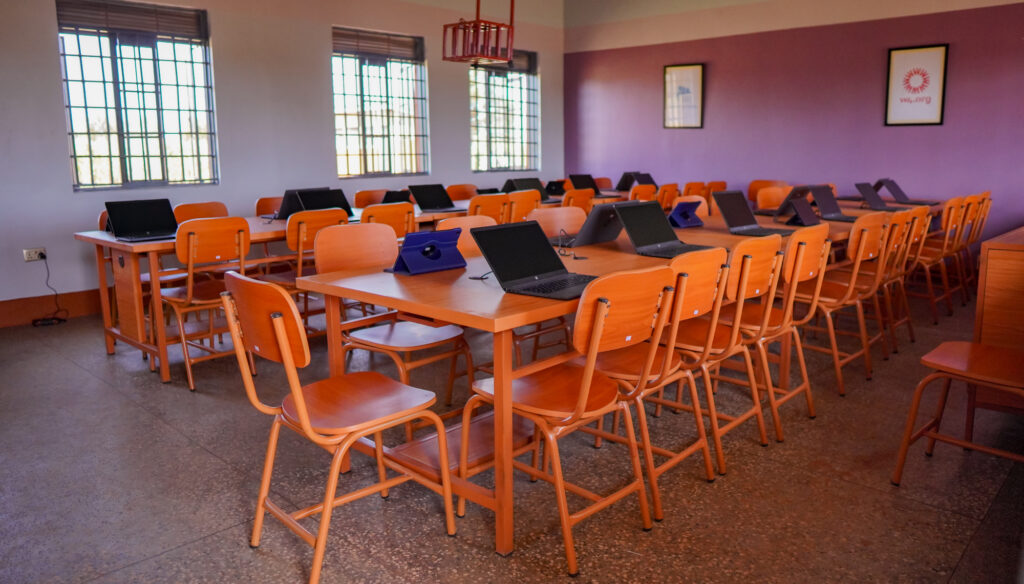
Elena: I was particularly impressed by the ICT centre. It is equipped with laptops and tablets and supported by trained staff who provide digital skills training, especially for refugee women.
What makes this program especially impactful is its focus. It targets stay-at-home mothers and girls who have dropped out of school. They are learning basic digital literacy and marketing skills that they can directly apply to strengthen their small businesses. It’s a practical and empowering approach to improving livelihoods, having reached over 150 participants, including learners and teachers of Ubuntu Model Primary School.
Peace: How was your visit to the gardens?
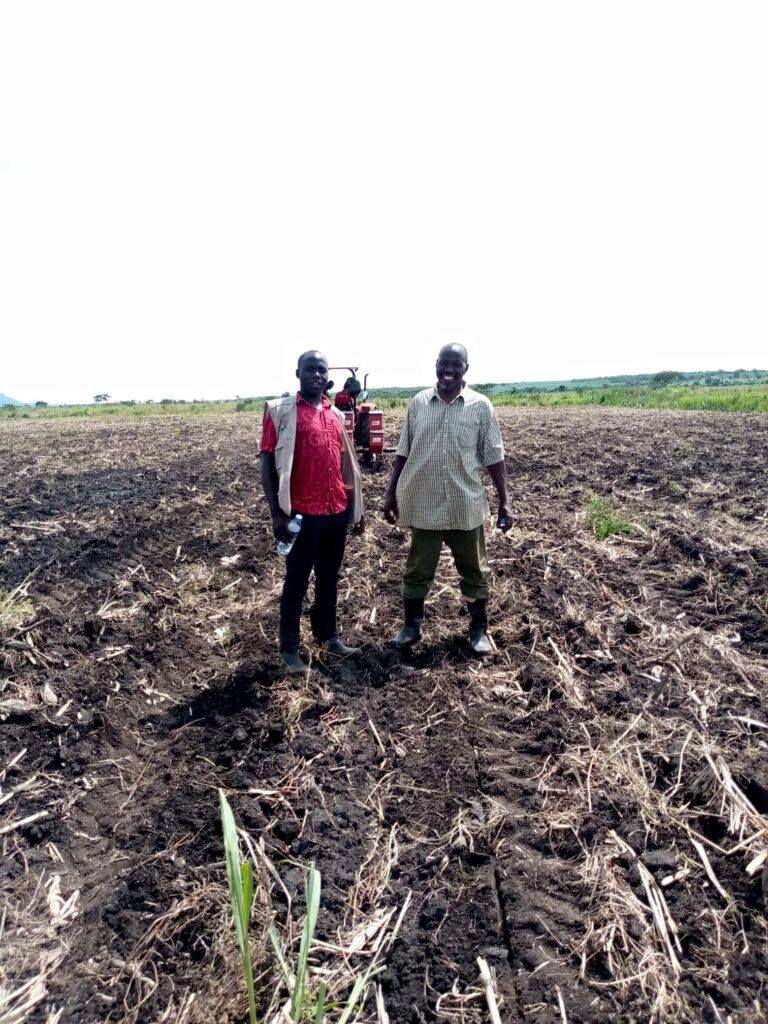
Elena: That was another highlight. Back in 2023, there was no irrigation system, which made farming during the dry season very difficult. Now, thanks to strong partnerships, there is reliable access to water in the community gardens. This has completely transformed what is possible, farmers can now cultivate their land year-round.
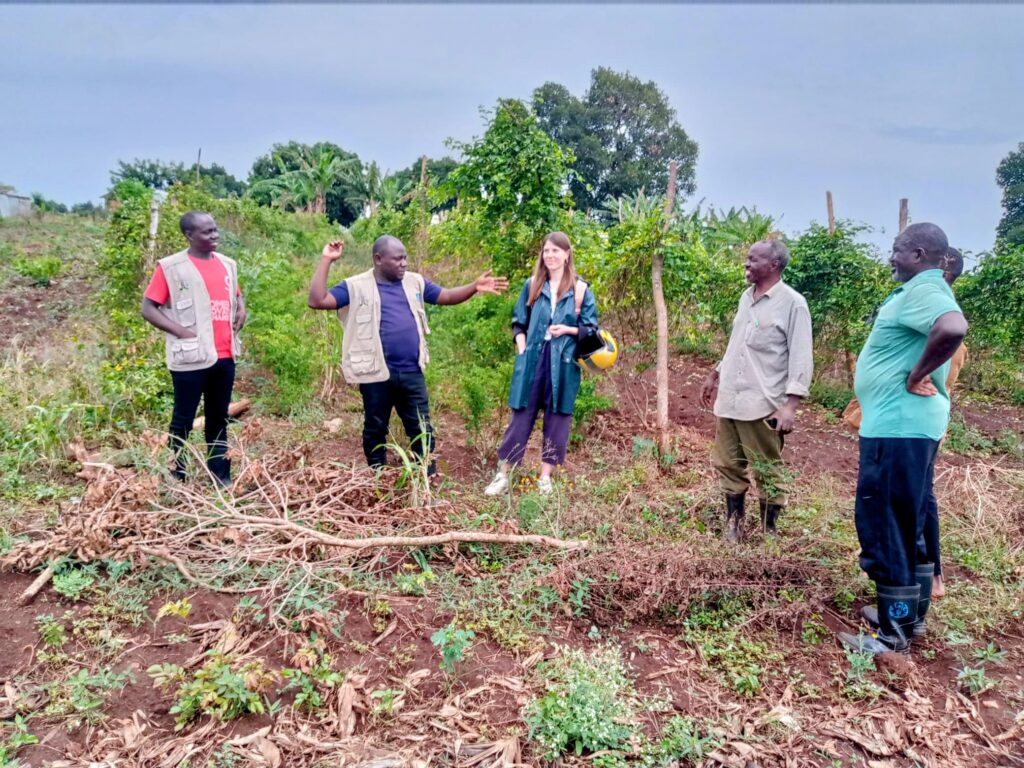
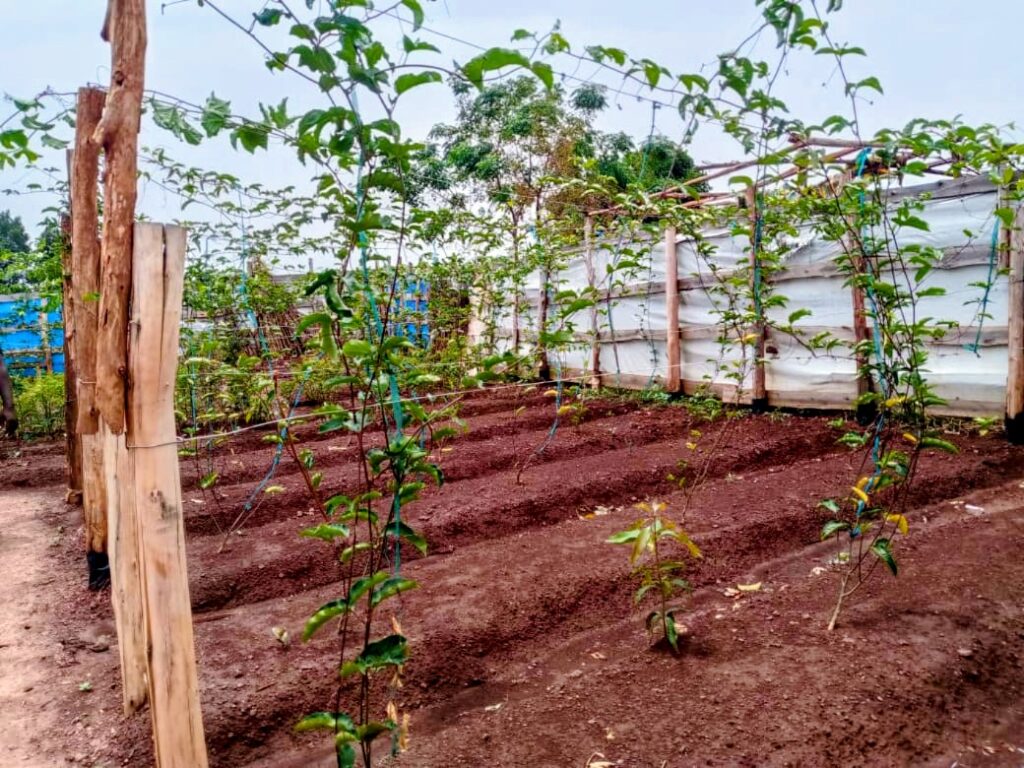
I also had the opportunity to see how the passion fruit project has developed. When I was here before, it had just been launched. Now, farmers across the settlement are growing passion fruit around their homes, creating an additional source of income. Some of the gardens are incredibly well maintained; you can really see the pride and effort people put into them, with 20 livelihood followers involved.
Peace: Anything you’d like to add?
Elena: I’ve often been critical of so-called development work and foreign aid. But what I truly appreciate about GRI is its approach. The focus is on local solutions to local challenges, with sustainability at the core of every project, whether environmental or economic.
It’s not about short-term fixes; it’s about building systems and skills that last. Coming back and seeing that in action has been both reassuring and inspiring.
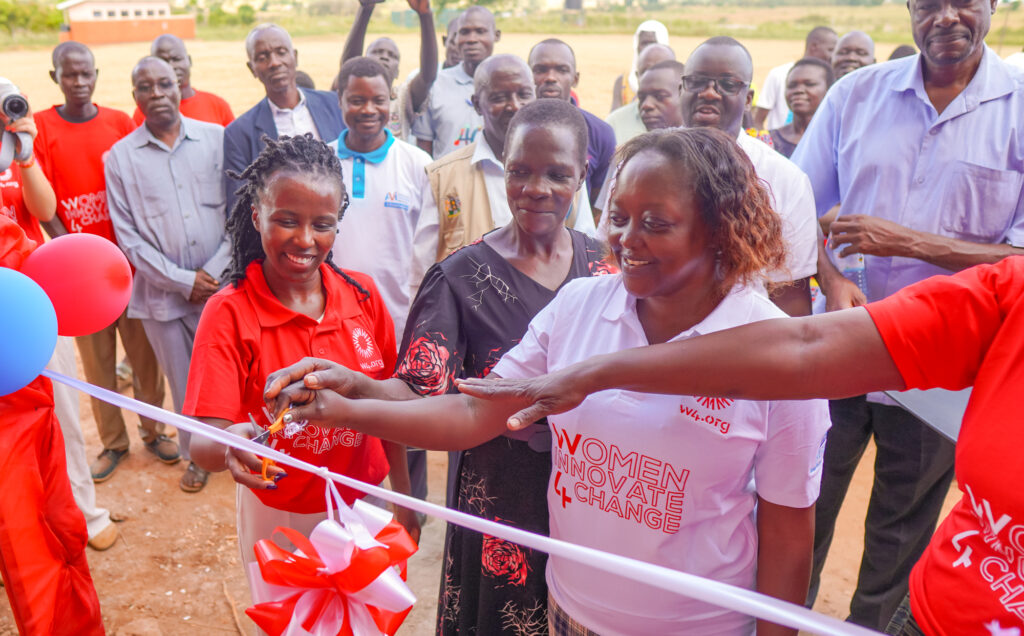
Over the past year, Global Refugee Initiatives (GRI), in partnership with Worldwide Women’s Web (W4), has established the Ubuntu Tech Training Centre (UTTC) in Kiryandongo Refugee Settlement, Uganda.
This is more than just a training space. It is:
the first ICT centre in the settlement dedicated to girls and women,
the first centre hosted within a remote refugee primary school and powered by solar energy, ensuring access to digital learning even in off-grid settings, and
a unique model bringing together school children, out-of-school girls, and community women in one inclusive learning environment.
In a context where access to technology is limited, the centre is addressing multiple challenges at once, education, digital inclusion, and economic empowerment.
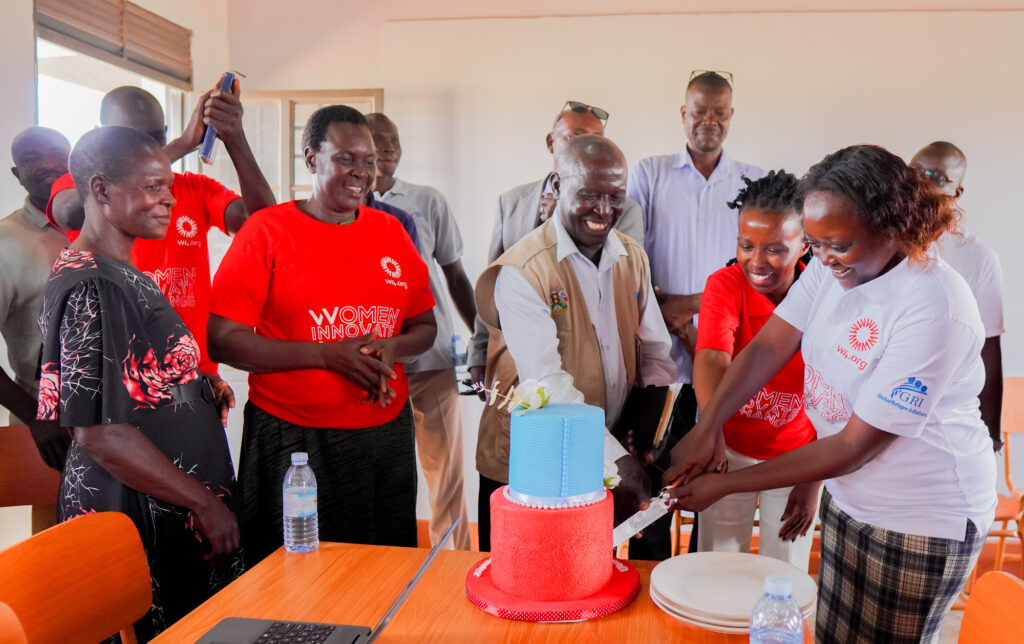
We officially launched the centre on 9 December 2025, marking the beginning of a transformative journey for refugee communities. Since then, the response has been overwhelming. Applications exceeded expectations, and our first cohort of learners has shown remarkable commitment and enthusiasm.
From the Ubuntu Tech Divas (girls at risk of dropping out), to community women, to pupils and teachers at Ubuntu Model Primary School, the impact is already visible.
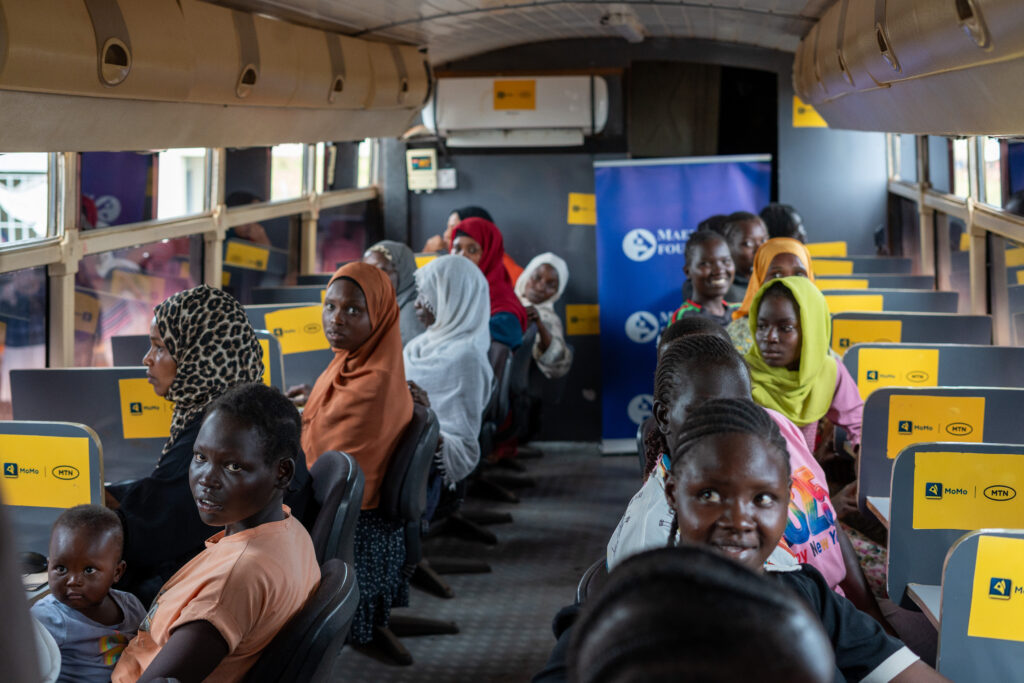
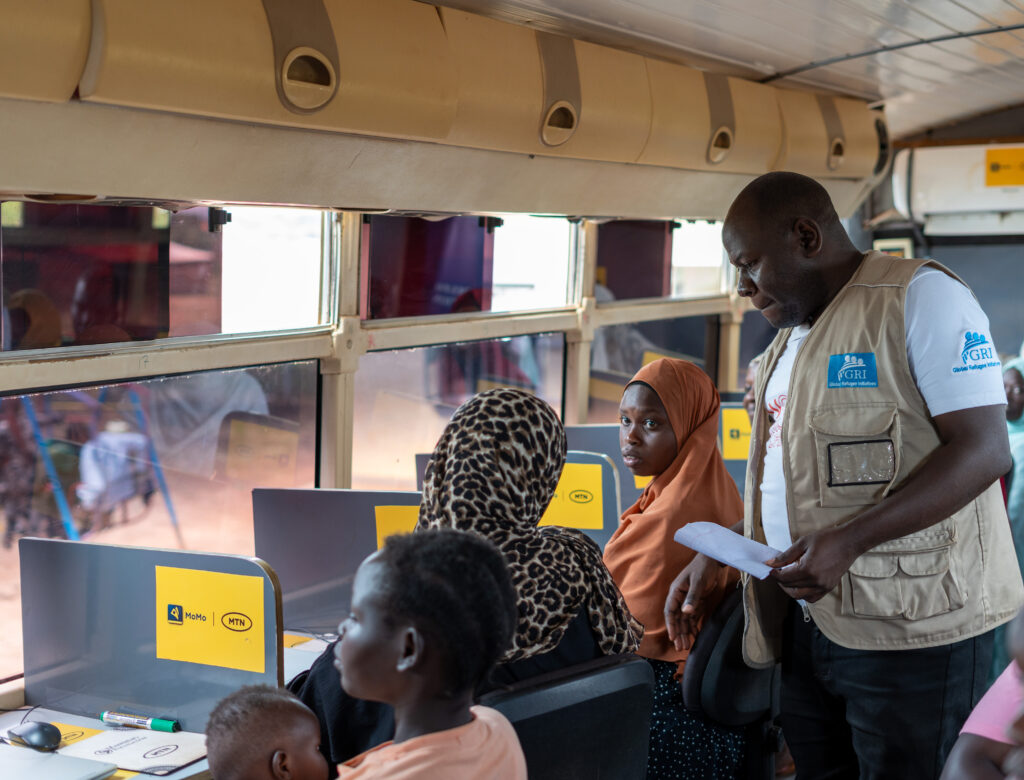
The initiative has also sparked new opportunities. Through W4, we connected with the Maendeleo Foundation, whose collaboration brought the MTN Internet Bus to the settlement, expanding access to digital literacy for even more women and girls and strengthening community engagement around the centre.
We extend our sincere appreciation to the W4 team, Lindsey, Manon, Daisy, and Lea Sophie Gill, for their trust, guidance, and support, and to Asia Kamukama and the Maendeleo Foundation team for their collaboration in delivering these impactful activities.
The Ubuntu Tech Training Centre is unlocking potential and opening pathways to opportunity, but this is just the beginning.
If we are serious about closing the digital gap, we must invest in solutions that reach the most underserved, including refugee women and girls.
We welcome partners and supporters to join us in scaling this model and transforming futures together.
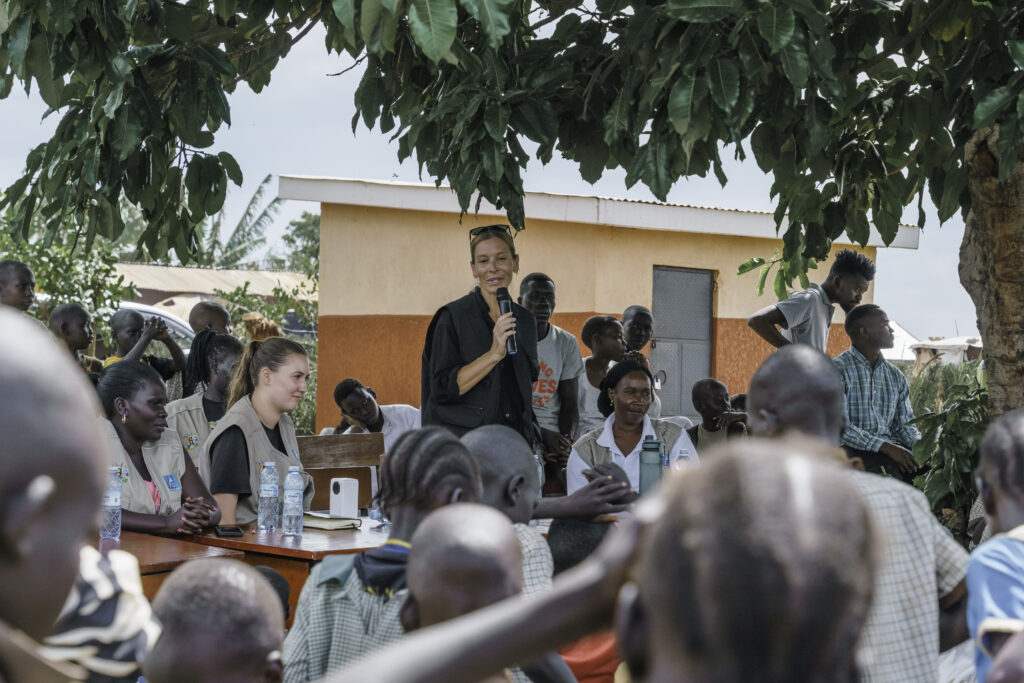
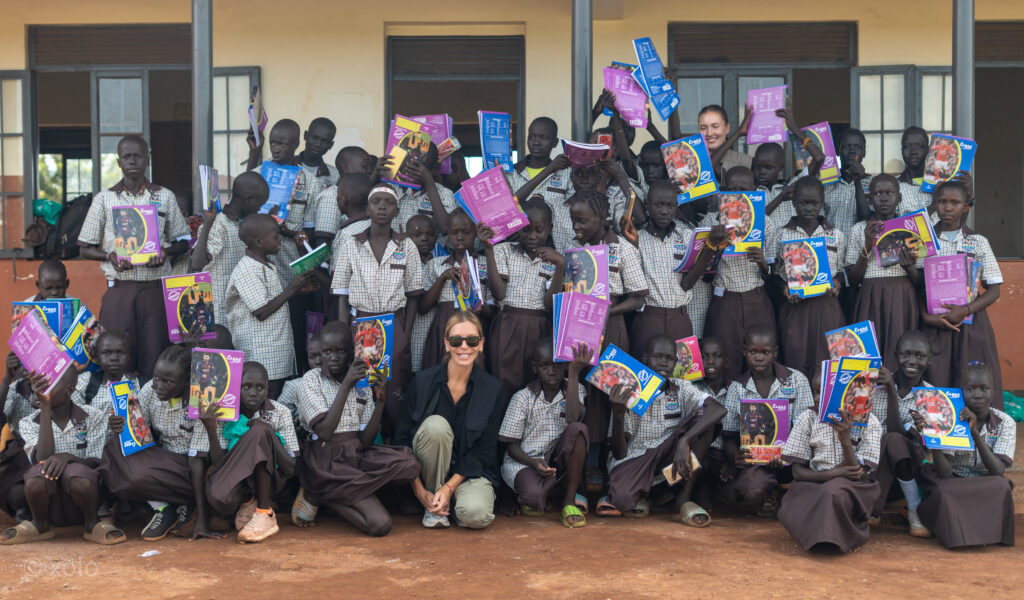
We recently had the honor of hosting a truly special visitor, Ms. Courtney from KitsFoundation, and her time with us was nothing short of meaningful.
Amidst dwindling funds in the donor world, her visit reminded us that genuine partnership, compassion, and solidarity still exist, and they matter more than ever.
During her stay, Courtney immersed herself fully in our community:
Visited the Office of the Prime Minister in Kiryandongo Refugee Settlement.
Engaged with the UNHCR office and key settlement leaders, And,
Toured Ubuntu Model Primary School and Bidong Primary School.
Through these interactions, she gained a firsthand understanding of the resilience and challenges refugees, and their partners face every single day.
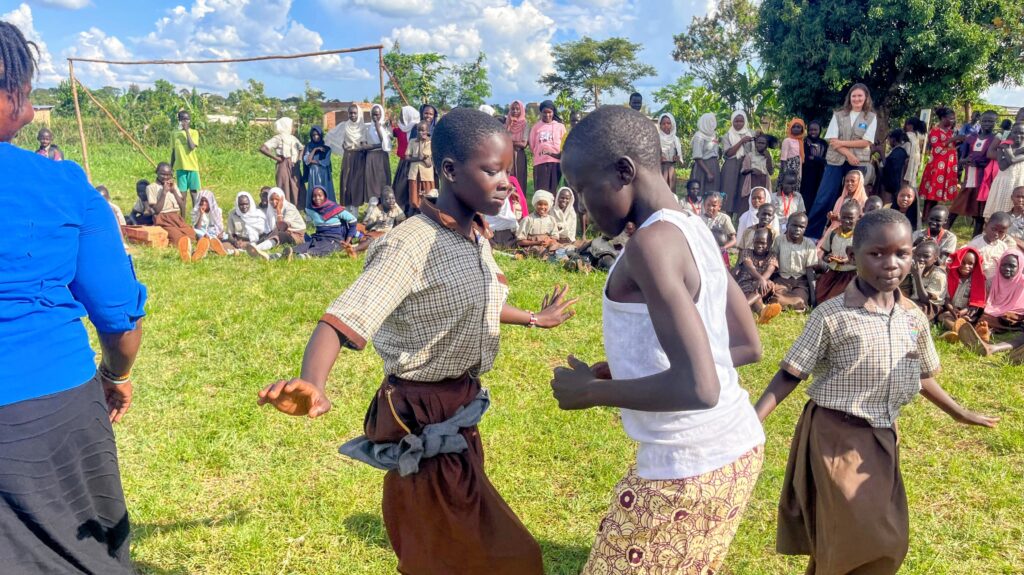
A Celebration of Culture at Ubuntu Model Primary School, she was welcomed by our Music, Dance, and Drama Club. Our children proudly showcased dances and songs from their rich and diverse cultures, Sudanese, South Sudanese (Acholi, Nuer, Pojulu & Kakwa), and Congolese traditions. The joy and unity in their performances were unforgettable.
Impactful Giving Her visit was also about giving. Courtney generously donated scholastic materials, uniforms, and supplies. These resources directly impact the daily lives of our learners and strengthen their environment.
An Open Call As we celebrate this partnership, we extend an open call to other donors and friends: Join us. Support our education and livelihoods programs.
We strongly believe that strengthening livelihoods is the most sustainable way to protect and grow our education program. When families are economically empowered, children stay in school, and communities flourish.
Thank you, Courtney and Kits Foundation, for standing with us.
Global Refugee Initiatives (GRI) invites qualified and dedicated professionals to apply for the position of 𝐏𝐫𝐢𝐦𝐚𝐫𝐲 𝐒𝐜𝐡𝐨𝐨𝐥 𝐓𝐞𝐚𝐜𝐡𝐞𝐫. Join us in our mission to support refugee communities and provide quality education to children in the Kiryandongo Refugee Settlement.
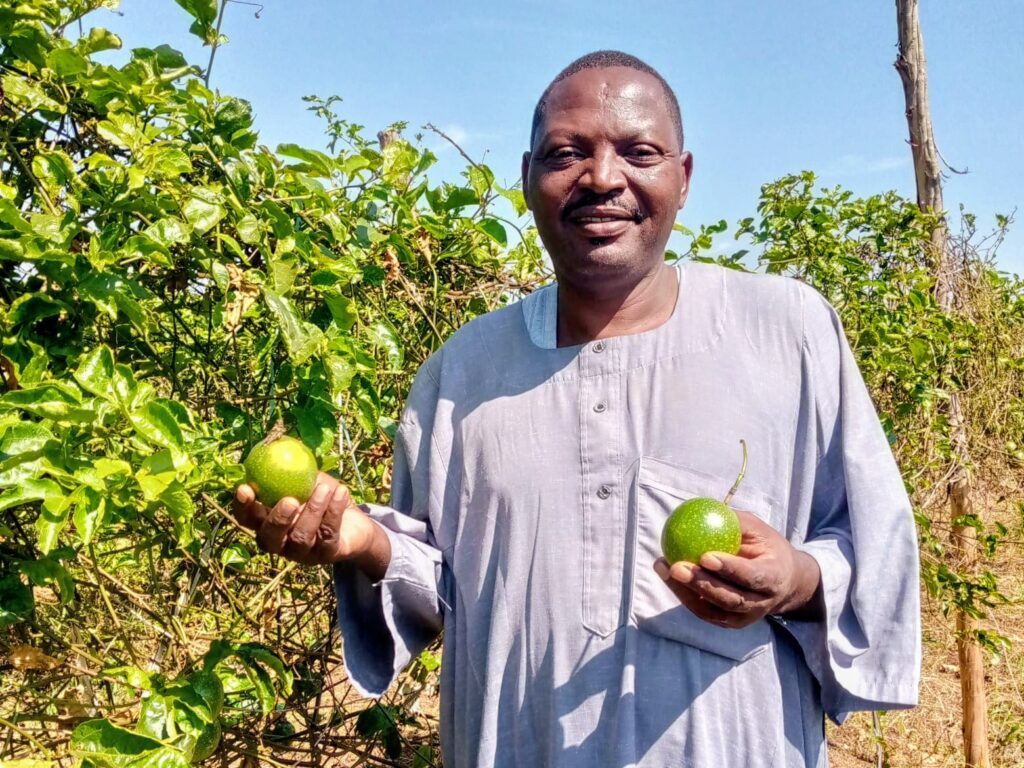
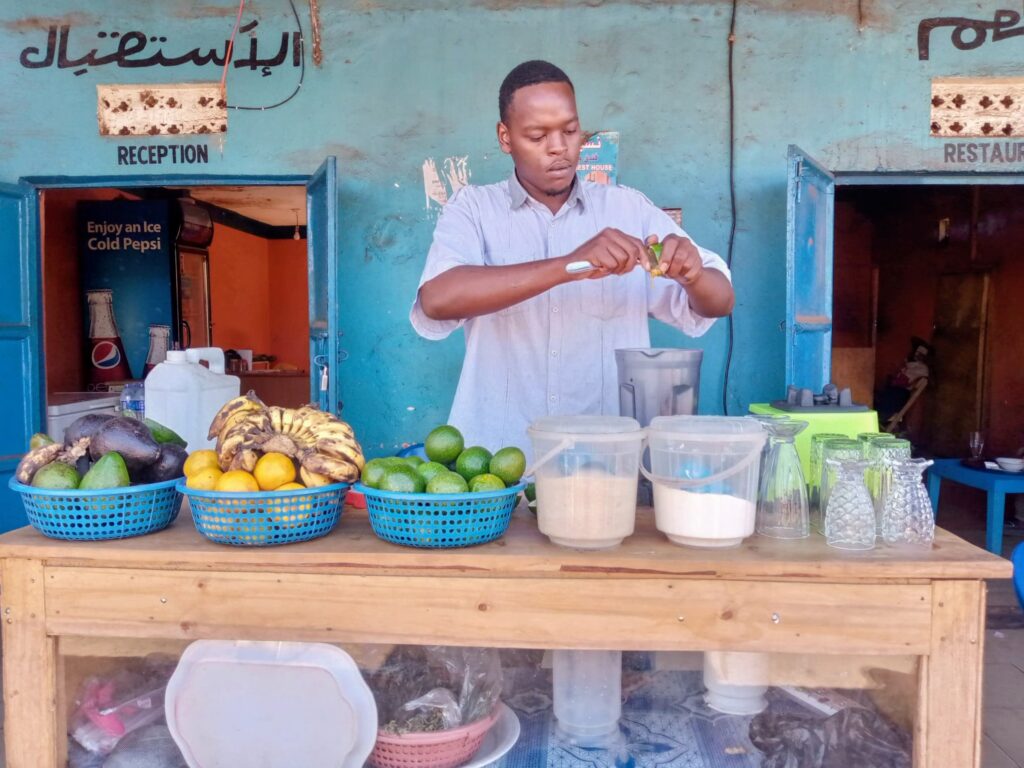
In Kiryandongo Refugee Settlement, a Sudanese refugee is transforming agricultural skills into a sustainable livelihood after receiving passion fruit production training and seedlings from the GRI Field Livelihoods Team.
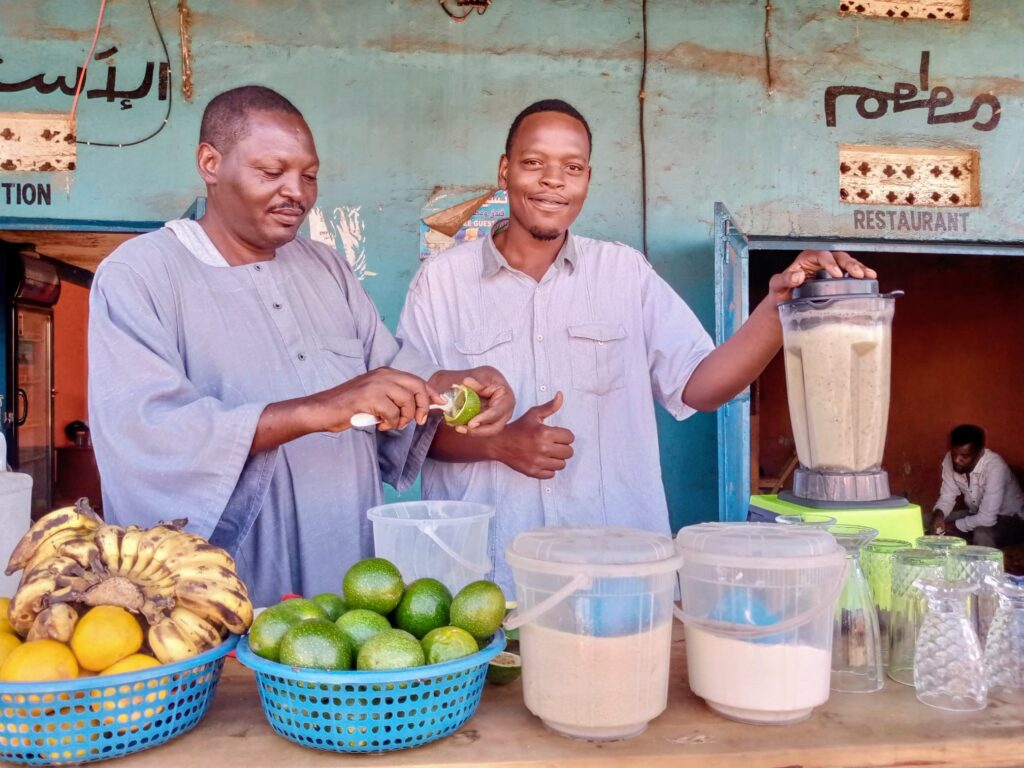
Following the training, he began producing fresh mixed-fruit juice using passion fruits, avocados, oranges, and bananas. His natural juice quickly gained popularity within the community and sells at UGX 2,000 per glass.
“The training helped me realize I could add value to the fruits I grow. Juice making has changed my life,” he shares.
The business now generates a steady daily income, enabling him to meet household needs and reinvest in his enterprise. He adds, “Every glass I sell supports my family. I feel proud and confident.”
His journey is inspiring fellow refugees, particularly young women and men, to explore value addition and small-scale business opportunities within the settlement.
This story highlights how targeted livelihood interventions are strengthening self-reliance and economic resilience among refugees.
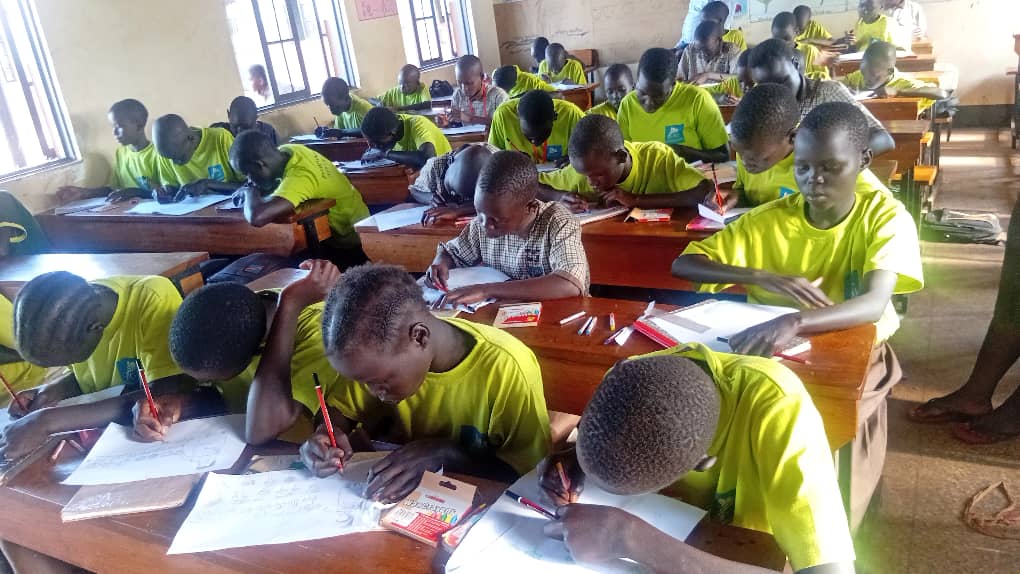
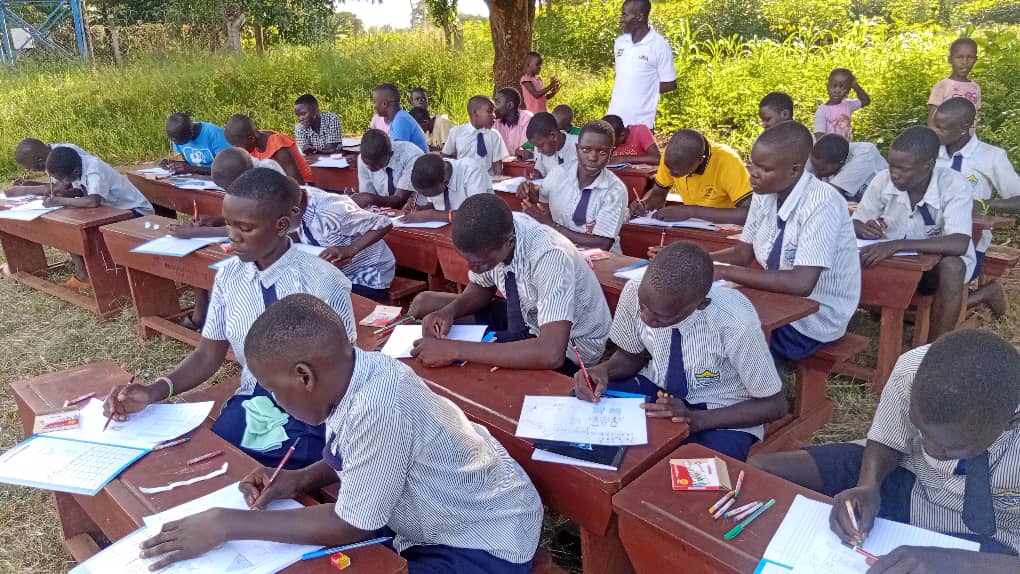
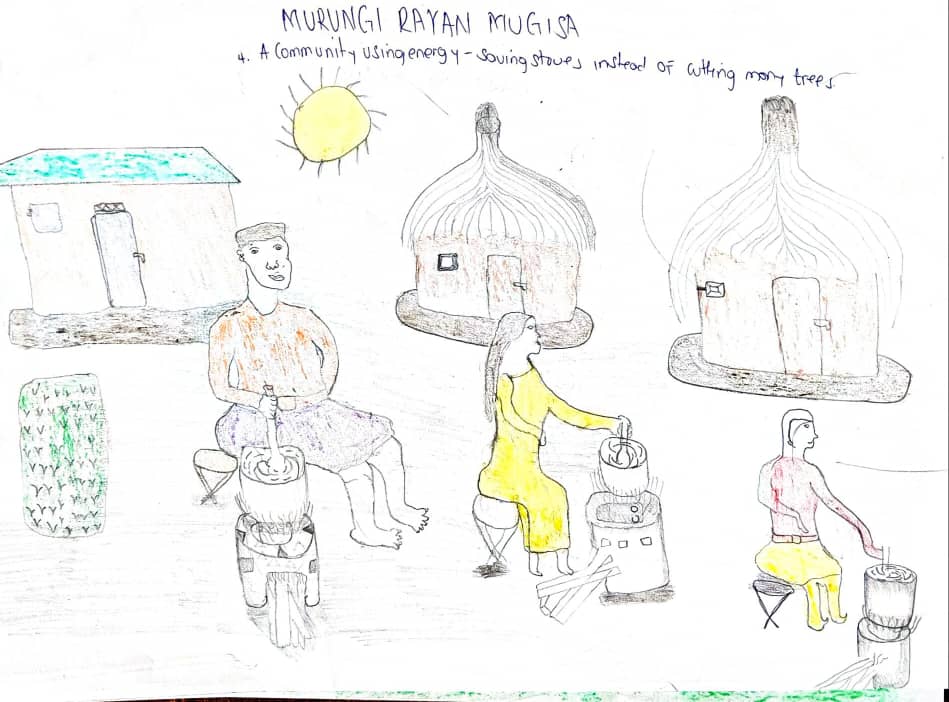
Environmental Kids Club members from six participating schools took part in a Fine Art Competition under the theme “Eco Super Heroes.”
A total of 240 children (40 from each school) showcased their creativity and passion for environmental protection through inspiring artworks that celebrated young heroes who care for the Earth.
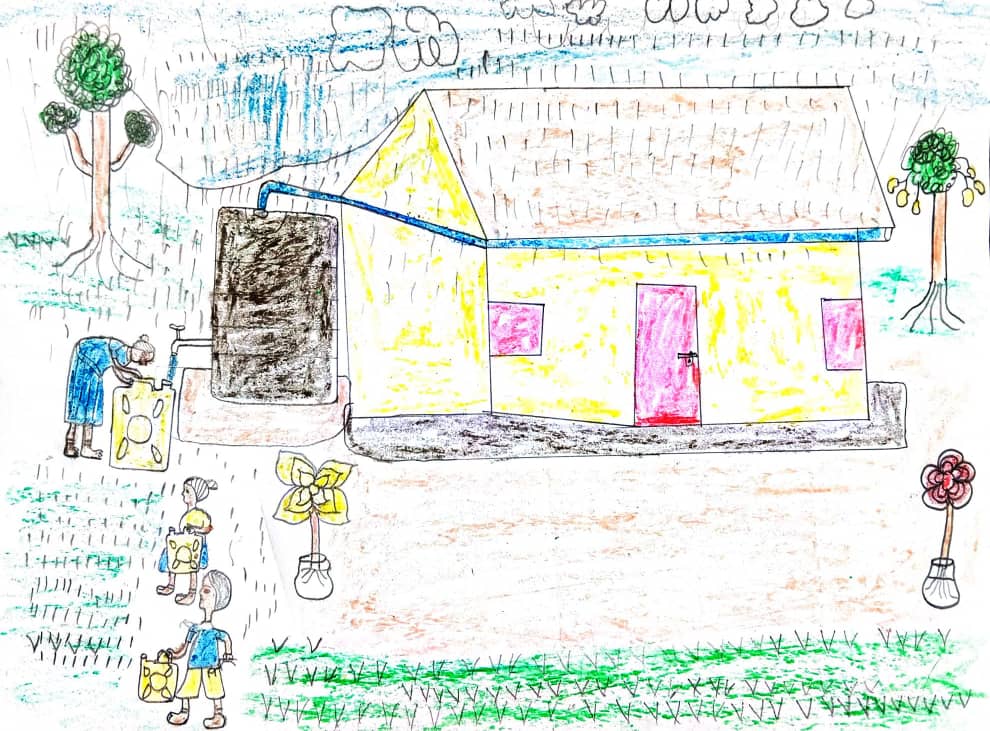
The activity encouraged learners to see themselves as Eco Super Heroes, protectors of trees, water, soil, animals, and the air we breathe. Through their art, pupils expressed practical ways of conserving nature such as planting trees, cleaning school compounds, saving water, managing waste, and using clean energy.
Their drawings beautifully told stories of hope and action, from children picking litter and watering gardens to rainwater harvesting, recycling, and solar energy innovations. Creative characters like “Captain Tree Saver” and “Mama Nature” (meaning Mother of Nature) brought imagination to life, showing that everyone can play a part in protecting the planet.
This initiative is part of the ongoing project “Enhancing Environmental and Climate Change Education and Awareness” in Kiryandongo Refugee Settlement and host community primary schools. The project continues to equip young learners with the knowledge, skills, and values needed to build a sustainable future.
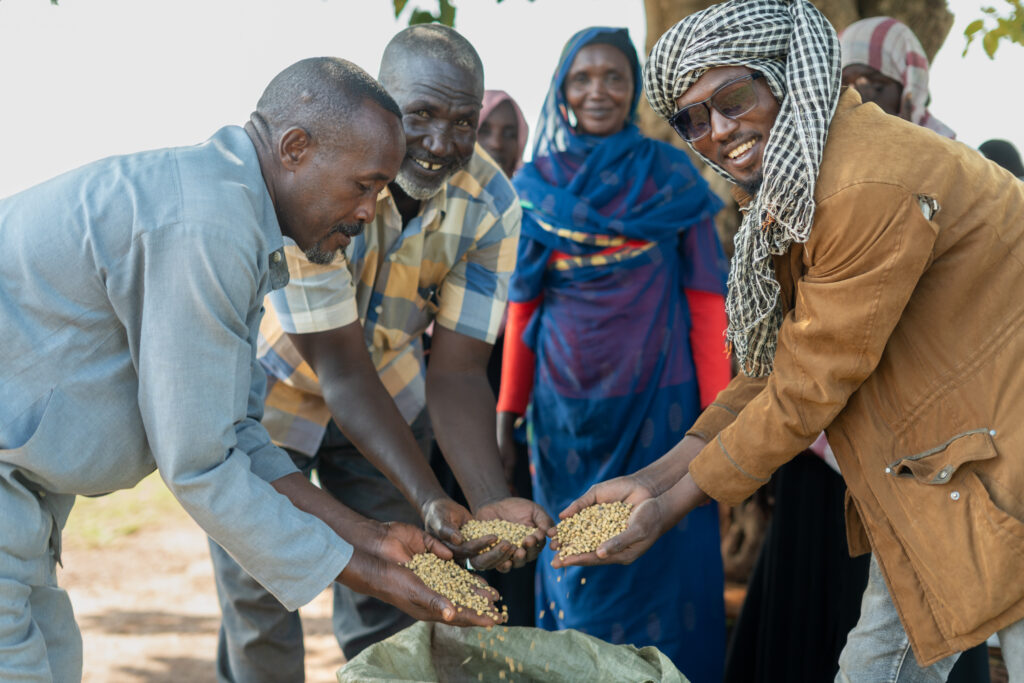
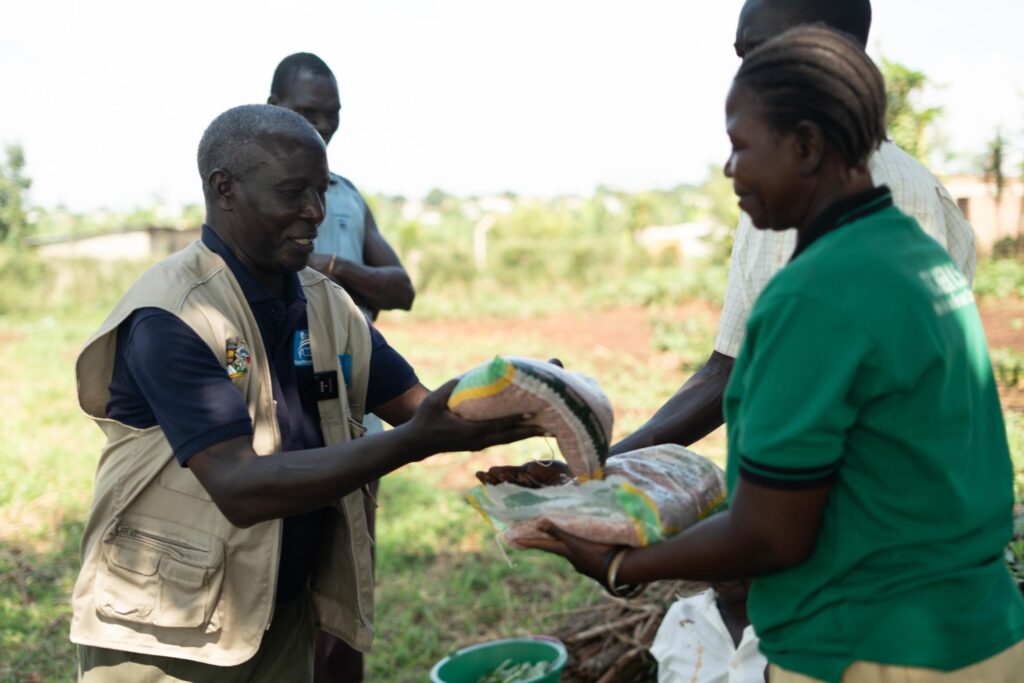
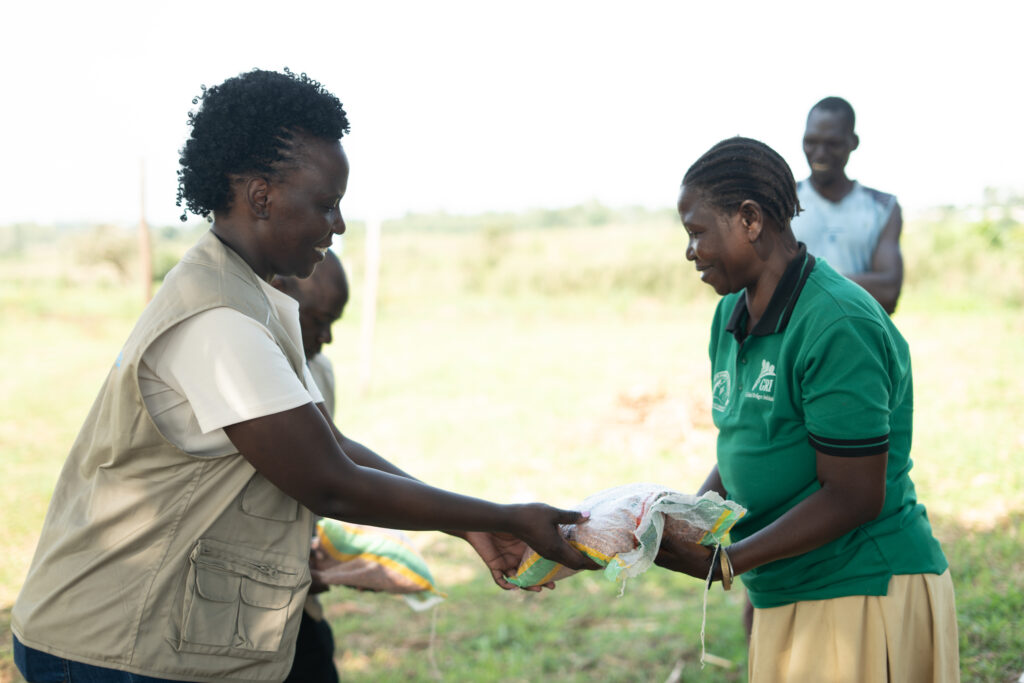
Farmers in Kiryandongo Refugee Settlement have embraced the new Pass on Seed Scheme introduced by Global Refugee Initiatives (GRI) to boost crop production and strengthen community bonds. Under the scheme, four farmer groups received legume seeds with a pledge to pass on the same quantity to other groups after harvest.
“We believe in building a culture of giving and resilience,” said a project coordinator. The initiative promotes self-reliance, food security and community solidarity as farmers share seeds, skills and knowledge. Beneficiaries have welcomed the project, noting that growing legumes has improved soil fertility, increased harvests and enhanced household nutrition.
Through the Pass on Seed Scheme, GRI continues to promote sustainable farming practices that build stronger, more united communities.
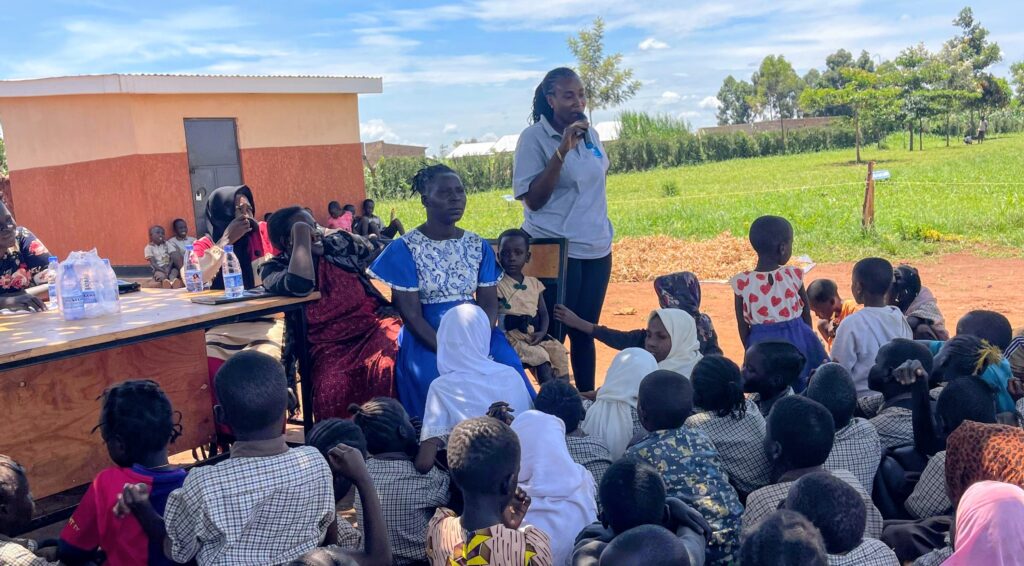
Recently, International Day of the Girl Child was celebrated at Ubuntu Model Primary School. This day is all about celebrating and supporting the rights of girls in Africa, especially their right to education, safety, and equal opportunities.
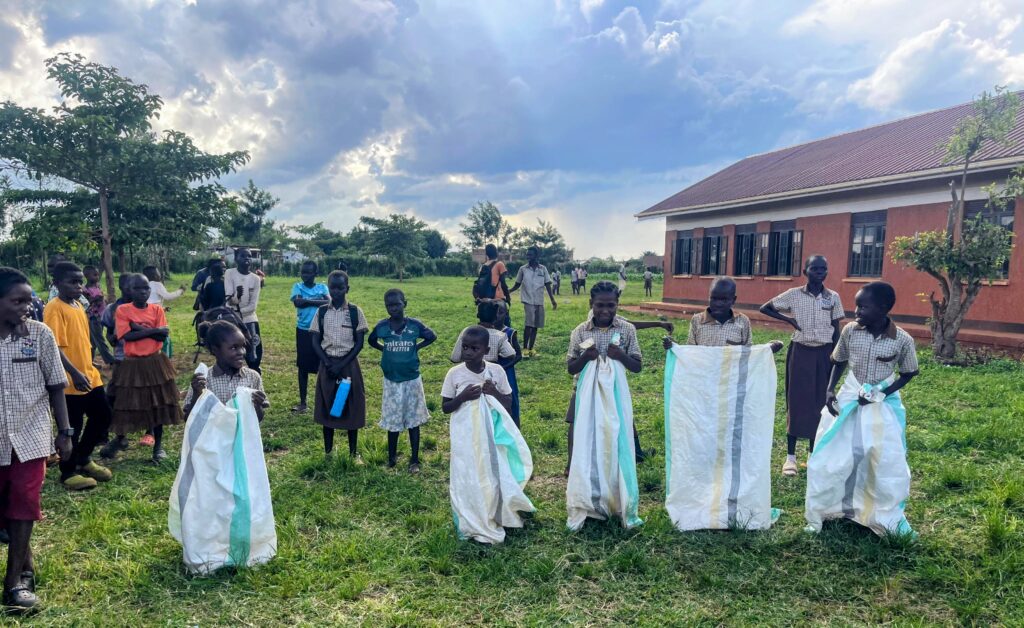
We celebrated this day through different performances from our girls. Every afternoon club showcased their talents through different performances which the rest of the girls enjoyed. After the performances, games were played and everyone enjoyed.
To close this day, best performing girls were appreciated with gifts to motivate them and encourage others to do the same, while every girl received a new pencil from the school administration presented to them by the education officer from GRI. This simple gift was to encourage the girls to keep in school.
Thank you everyone who is working tirelessly to ensure that the girl child is not left out on education.
To all our partners, donors and friends, we appreciate your efforts in supporting these young children through your donations towards construction of the school buildings, sponsorship opportunities, and other projects such as the menstrual hygiene management that targets increasing the rate of girl child retention in schools. As the school grows, we encourage you to continue with your support.